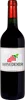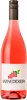
Château du FrandatBuzet Rosé
 Pink wine
This wine is a blend of 3 varietals which are the Cabernet franc, the Cabernet-Sauvignon and the Merlot.
This wine generally goes well with pork, poultry or beef.

Food and wine pairings with Buzet Rosé
Pairings that work perfectly with Buzet Rosé



Original food and wine pairings with Buzet Rosé



The Buzet Rosé of Château du Frandat matches generally quite well with dishes of shellfish, appetizers and snacks or lean fish such as recipes of mussels with roquefort cheese, lili's gressins or fillet of dab in bordelaise sauce.
Details and technical informations about Château du Frandat's Buzet Rosé.
Discover the grape variety: Cabernet franc
Supple, fragrant reds with fine tannins and vibrant freshness, showing raspberry, violet, green pepper, pencil lead and gentle spice aromas. Star of the Loire as a single variety (Chinon, Bourgueil, Saumur-Champigny) and of the right bank of Bordeaux in blends (Cheval Blanc at 60%). Also in semi-dry Anjou rosés. A historic Bordeaux variety, parent of Cabernet-Sauvignon, Merlot and Carmenère.
Informations about the Château du Frandat
The Château du Frandat is one of of the world's great estates. It offers 18 wines for sale in the of Buzet to come and discover on site or to buy online.

The wine region of Buzet
Southwest France AOC on the left bank of the Garonne (Lot-et-Garonne): signature blend of Merlot, Cabernet Sauvignon, Cabernet Franc and Côt in red king — deep hue with powerful aromas of red and black fruits (blackcurrant, blackberry), peppery, smoky, vanilla and spice notes from barrel aging, fleshy structured signature palate, supple tannins and Bordeaux elegance. Rosés and whites in complement, medium ageing, AOC 1973.
The wine region of South West
French mosaic of strong identities south of Bordeaux. Cahors and its Malbec ("black wine"): deep reds with notes of blackberry, plum, violet, tobacco and cocoa, firm tannins. Madiran and its dense, age-worthy Tannat. Jurançon whites: golden sweet (apricot, honey, pineapple) and lively dry from Petit Manseng.
The word of the wine: Tartar (deposit)
White, chalky deposits that occur as a result of precipitation inside bottles and are often considered by consumers as a defect. They are in fact tartaric salts formed by tartaric acid, potassium and calcium naturally present in the wine. This deposit does not alter the quality of the wine and can be eliminated by a simple decanting.