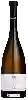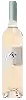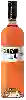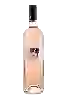
Chateau De LandueCôtes de Provence Rouge
 Red wine


This wine generally goes well with
Details and technical informations about Chateau De Landue's Côtes de Provence Rouge.
Discover the grape variety: Kadarka
Some say that it originated in Hungary, while others say it came from Turkey via Bulgaria. Known in Austria and more generally in Eastern Europe (Albania, Croatia, Moldavia, Slovakia, Romania, Serbia, etc.), it is registered in the Official Catalogue of Wine Grape Varieties, list A1.
Last vintages of this wine

The best vintages of Côtes de Provence Rouge from Chateau De Landue are 2015, 2016
Informations about the Chateau De Landue
The Chateau De Landue is one of of the world's greatest estates. It offers 4 wines for sale in the of Côtes de Provence to come and discover on site or to buy online.

The wine region of Côtes de Provence
The AOC Côtes de Provence is the largest appellation in the Provence wine region of southeastern France. It covers about 20,000 hectares of vineyards, which produce the vast majority of Provence's rosé wine. This appellation includes most of the vineyards in the Var department - essentially the eastern half of the Provence wine region - with the exception of 2,250 hectares North of Toulon which are reserved for the Côteaux Varois en Provence appellation. Although it also covers red and white wine, about 80% of Côtes de Provence production is rosé.
The wine region of Provence
Provence is a wine region in the far southeast of France, best known for the quality (and quantity) of its rosé wines and for its Warm, mild Climate. The modernization that is taking place in many of the traditional wine regions of southern France has not yet taken place to the same extent in Provence, but there are Clear signs of change. The region's Grape varieties, in particular, have come under scrutiny in recent decades. Traditional varieties such as Carignan, Barbaroux (Barbarossa from Sardinia) and Calitor are being replaced by more commercially viable varieties such as Grenache, Syrah and even Cabernet Sauvignon.
The word of the wine: Yeast
Micro-organisms at the base of all fermentative processes. A wide variety of yeasts live and thrive naturally in the vineyard, provided that treatments do not destroy them. Unfortunately, their replacement by laboratory-selected yeasts is often the order of the day and contributes to the standardization of the wine. Yeasts are indeed involved in the development of certain aromas.