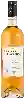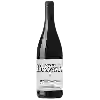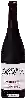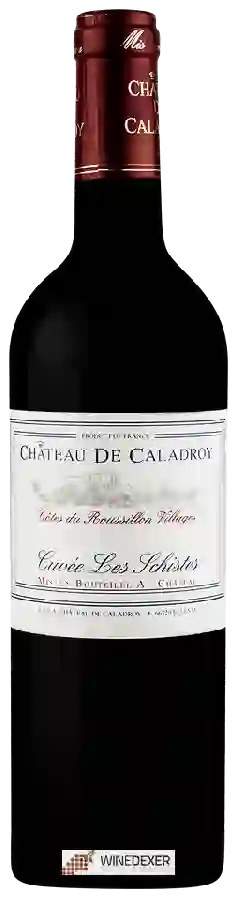
Château de CaladroyCuvée Les Schistes Côtes du Roussillon Villages
 Red wine



In the mouth this red wine is a powerful with a nice balance between acidity and tannins.
This wine generally goes well with beef, veal or pasta.
Taste structure of the Cuvée Les Schistes Côtes du Roussillon Villages from the Château de Caladroy
Light | Bold | |
Smooth | Tannic | |
Dry | Sweet | |
Soft | Acidic |
In the mouth the Cuvée Les Schistes Côtes du Roussillon Villages of Château de Caladroy in the region of Languedoc-Roussillon is a powerful with a nice balance between acidity and tannins.
Wine flavors and olphactive analysis



On the nose the Cuvée Les Schistes Côtes du Roussillon Villages of Château de Caladroy in the region of Languedoc-Roussillon often reveals types of flavors of cherry, non oak or earth and sometimes also flavors of oak, red fruit or black fruit.
Food and wine pairings with Cuvée Les Schistes Côtes du Roussillon Villages
Pairings that work perfectly with Cuvée Les Schistes Côtes du Roussillon Villages



Original food and wine pairings with Cuvée Les Schistes Côtes du Roussillon Villages
The Cuvée Les Schistes Côtes du Roussillon Villages of Château de Caladroy matches generally quite well with dishes of beef, pasta or veal such as recipes of family potluck, ham lasagness or veal fillet stroganoff.
Details and technical informations about Château de Caladroy's Cuvée Les Schistes Côtes du Roussillon Villages.
Discover the grape variety: Fantasy seedless
Cross between B36-27 and P64-18 obtained in the United States (California) by David Wilder Ramming and Ronald Tarailo and where it is cultivated since 1994. The slightly foxed taste of its flesh makes us think that there was an intervention of a direct producer hybrid itself with a foxed taste.
Last vintages of this wine
The best vintages of Cuvée Les Schistes Côtes du Roussillon Villages from Château de Caladroy are 2011, 2008, 2016, 2006 and 2015.
Informations about the Château de Caladroy
The Château de Caladroy is one of of the world's greatest estates. It offers 41 wines for sale in the of Côtes du Roussillon Villages to come and discover on site or to buy online.

The wine region of Côtes du Roussillon Villages
The wine region of Côtes du Roussillon Villages is located in the region of Côtes du Roussillon of Languedoc-Roussillon of France. Wineries and vineyards like the Domaine du Clos des Fées or the Domaine de Rombeau produce mainly wines red, white and pink. The most planted grape varieties in the region of Côtes du Roussillon Villages are Mourvèdre, Lledoner pelut and Pinot noir, they are then used in wines in blends or as a single variety. On the nose of Côtes du Roussillon Villages often reveals types of flavors of cherry, anise or black plum and sometimes also flavors of citrus fruit, tree fruit or fennel.
The wine region of Languedoc-Roussillon
Languedoc (formerly Coteaux du Languedoc) is a key appellation used in the Languedoc-Roussillon wine region of southern France. It covers Dry table wines of all three colors (red, white and rosé) from the entire region, but leaves Sweet and Sparkling wines to other more specialized appellations. About 75% of all Languedoc wines are red, with the remaining 25% split roughly down the middle between whites and rosés. The appellation covers most of the Languedoc region and almost a third of all the vineyards in France.
The word of the wine: Vitis vinifera
The main species of vine cultivated in Europe and throughout the world, the origin of most of the great grape varieties.