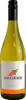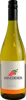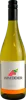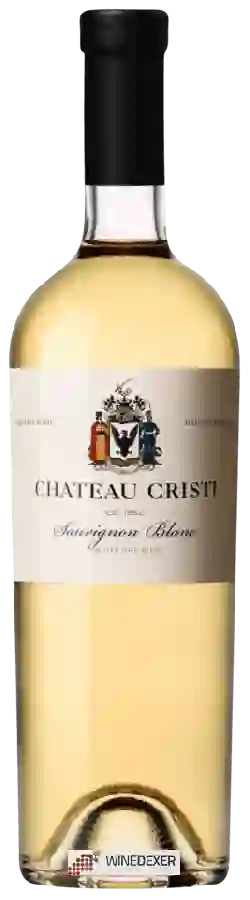
Chateau CristiSauvignon Blanc
 White wine


This wine generally goes well with vegetarian, rich fish (salmon, tuna etc) or shellfish.

Wine flavors and olphactive analysis

On the nose the Sauvignon Blanc of Chateau Cristi in the region of Moldavie often reveals types of flavors of tree fruit, citrus fruit.
Food and wine pairings with Sauvignon Blanc
Pairings that work perfectly with Sauvignon Blanc



Original food and wine pairings with Sauvignon Blanc
The Sauvignon Blanc of Chateau Cristi matches generally quite well with dishes of rich fish (salmon, tuna etc), shellfish or vegetarian such as recipes of tuna sandwich, sautéed squid with parsley or spinach and goat cheese quiche.
Details and technical informations about Chateau Cristi's Sauvignon Blanc.
Discover the grape variety: Bertille Seyve 872
Colourful, simple fruity reds with a light purple robe, silky tannins and an airy palate with preserved acidity, showing undemonstrative aromas of red and black fruits. Early-ripening and productive. Now marginal, surviving in a few varietal collections and bearing witness to the history of post-phylloxera hybridisation in France. French black hybrid obtained in the early 20th century by Bertille Seyve, an interspecific disease-resistant cross.
Last vintages of this wine
The best vintages of Sauvignon Blanc from Chateau Cristi are 2017, 0
Informations about the Chateau Cristi
The Chateau Cristi is one of of the world's greatest estates. It offers 8 wines for sale in the of Moldavie to come and discover on site or to buy online.

The wine region of Moldavie
Ancestral vineyard with identity grapes. Fetească Neagră, great Moldovan red reference: deep with notes of ripe plum, black cherry, spice and tobacco, melted tannins. Lighter, more floral Rară Neagră (Băbească). Dense tinctorial Saperavi.
The word of the wine: Jeroboam
Bottle with a capacity of 5 litres.