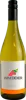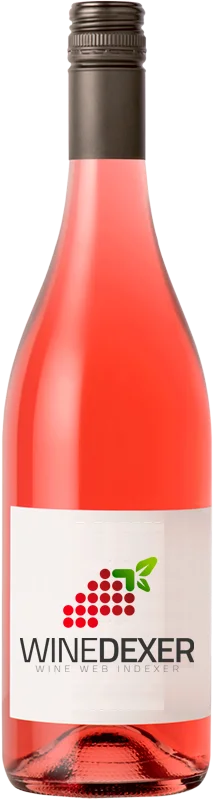
Château Combe des DucsLa Magnague Rosé
 Pink wine
In the mouth this pink wine is a powerful with a nice balance between acidity and tannins.
This wine generally goes well with vegetarian, appetizers and snacks or lean fish.
Taste structure of the La Magnague Rosé from the Château Combe des Ducs
Light | Bold | |
Smooth | Tannic | |
Dry | Sweet | |
Soft | Acidic |
In the mouth the La Magnague Rosé of Château Combe des Ducs in the region of Pays d'Oc is a powerful with a nice balance between acidity and tannins.
Food and wine pairings with La Magnague Rosé
Pairings that work perfectly with La Magnague Rosé



Original food and wine pairings with La Magnague Rosé


The La Magnague Rosé of Château Combe des Ducs matches generally quite well with dishes of pasta, vegetarian or appetizers and snacks such as recipes of macaroni and angel hair gratin, quiche with bacon and gruyère cheese or roasted pumpkin seeds.
Details and technical informations about Château Combe des Ducs's La Magnague Rosé.
Discover the grape variety: Saint Macaire
An ancient Bordeaux grape variety that was once grown in the Gironde marshes. It is related to the Manseng Noir. Today, Saint Macaire is no longer present in the vineyard and is therefore in the process of disappearing. It is registered in the Official Catalogue of wine grape varieties, list A1.
Informations about the Château Combe des Ducs
The Château Combe des Ducs is one of of the world's great estates. It offers 17 wines for sale in the of Pays d'Oc to come and discover on site or to buy online.

The wine region of Pays d'Oc
Pays d'Oc is the PGI for red, white and rosé wines that are produced over a wide area of the southern coast of France. The PGI catchment area corresponds roughly to the Languedoc-roussillon">Languedoc-Roussillon wine region, one of the largest wine regions in France. The area covers all wines that are not produced under the strict laws that govern AOC-level appellations in the regions: among them, Corbières, Minervois and the Languedoc appellation itself. The Pays d'Oc PGI is arguably the most important in France, producing the majority of the country's PGI wines.
The word of the wine: Roast (taste of)
Characteristic taste of wines made from grapes affected by botrytis cinerea.