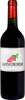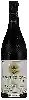
Château BlancUn Bon Moment Rouge
 Red wine



In the mouth this red wine is a powerful with a nice balance between acidity and tannins.
This wine generally goes well with beef, game (deer, venison) or lamb.

Taste structure of the Un Bon Moment Rouge from the Château Blanc
Light | Bold | |
Smooth | Tannic | |
Dry | Sweet | |
Soft | Acidic |
In the mouth the Un Bon Moment Rouge of Château Blanc in the region of Rhone Valley is a powerful with a nice balance between acidity and tannins.
Food and wine pairings with Un Bon Moment Rouge
Pairings that work perfectly with Un Bon Moment Rouge



Original food and wine pairings with Un Bon Moment Rouge
The Un Bon Moment Rouge of Château Blanc matches generally quite well with dishes of beef, lamb or game (deer, venison) such as recipes of beef fillet in a crust, lamb stew from my mum or autumn pumpkin pie.
Details and technical informations about Château Blanc's Un Bon Moment Rouge.
Discover the grape variety: Mourvèdre
Powerful, deep reds with firm tannins and dense texture, showing aromas of blackberry, leather, garrigue, black pepper, liquorice and animal notes (game, forest floor) with age. Star of Bandol AOC as a single variety and pillar of Châteauneuf-du-Pape, Gigondas and Costières blends. Also in GSM in Languedoc and Australia. A late-ripening variety of Spanish origin (Mataró/Monastrell).
Informations about the Château Blanc
The Château Blanc is one of of the world's great estates. It offers 28 wines for sale in the of Rhone Valley to come and discover on site or to buy online.

The wine region of Rhone Valley
France's 2nd-largest AOC vineyard, two complementary worlds. Northern: pure Syrah in signature reds (Côte-Rôtie, Hermitage, Cornas), deep and peppery with blackberry, violet, black olive and smoked bacon notes, exceptional ageing. Opulent Viognier whites (Condrieu, apricot, flowers) and ample Marsanne-Roussanne. Southern: sun-soaked Grenache blends at Châteauneuf, Gigondas, Vacqueyras (candied fruit, garrigue).
The word of the wine: Organic (agriculture)
A type of agriculture (and therefore viticulture) based on respect for living organisms and biological cycles, and which excludes the use of synthetic treatment products and synthetic fertilizers. Organic farming is guaranteed by the respect of a set of specifications.