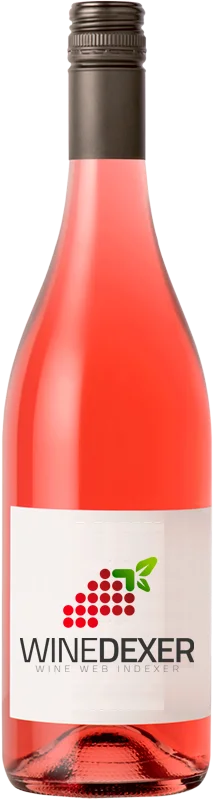
Château BarkaTanit Rosé
 Pink wine
This wine generally goes well with beef, lamb or mature and hard cheese.

Food and wine pairings with Tanit Rosé
Pairings that work perfectly with Tanit Rosé



Original food and wine pairings with Tanit Rosé

The Tanit Rosé of Château Barka matches generally quite well with dishes of beef, lamb or spicy food such as recipes of beef with dark beer, saddle of lamb with herbs or braised chicken and plantains.
Details and technical informations about Château Barka's Tanit Rosé.
Discover the grape variety: Sauvignonasse
Dry, structured, aromatic whites with a pale golden hue, a broad palate and preserved acidity, featuring fresh almond, pear, apple, citrus, white flowers, cut herbs and mineral notes. Fine ageing potential. Star of Friuli Colli Orientali DOC and Collio DOC as Friulano (emblem of Friuli). Also grown in Chile (Sauvignon Vert) and Slovenia. Native south-west variety, long confused with sauvignon blanc.
Informations about the Château Barka
The Château Barka is one of of the world's greatest estates. It offers 6 wines for sale in the of Bekaa Valley to come and discover on site or to buy online.

The wine region of Bekaa Valley
Lebanese high-altitude valley (~1,000 m), ~6,000 years of winegrowing, ~90% of the country's wine. Complex, age-worthy reds with signature notes of black cherry, blackberry, garrigue, leather, cedar, oriental spices and a balsamic touch, firm tannins and long ageing — Cabernet for backbone, supple Cinsault, dense Carignan, fruity Grenache, peppery Syrah. Native whites Merwah and Obaideh, taut and mineral. Iconic Chateau Musar.
The word of the wine: Presses
The juice that results from pressing the grapes after fermentation. At the end of the maceration, the vats are emptied, the first juice obtained is called the free-run wine and the marc remaining at the bottom of the vat is then pressed to give the press wine. We say more quickly "the presses". Their quality varies according to the vintage and the maceration. A too vigorous extraction releases the tannins of pips and the wine of press can then prove to be very astringent. Often the winemaker raises it separately, deciding later whether or not to incorporate it totally or partially into the grand vin.