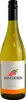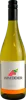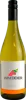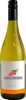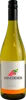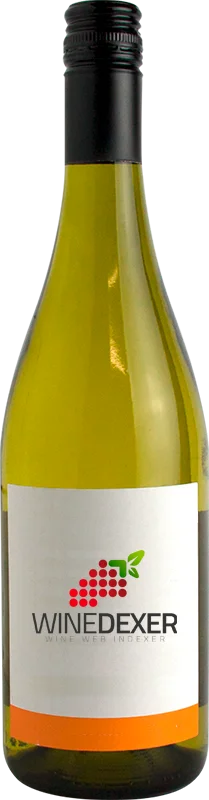
Winery CesaroniVerdicchio
 White wine
In the mouth this white wine is a powerful with a nice freshness.
This wine generally goes well with vegetarian, appetizers and snacks or lean fish.

Taste structure of the Verdicchio from the Winery Cesaroni
Light | Bold | |
Dry | Sweet | |
Soft | Acidic |
In the mouth the Verdicchio of Winery Cesaroni in the region of Marche is a powerful with a nice freshness.
Food and wine pairings with Verdicchio
Pairings that work perfectly with Verdicchio



Original food and wine pairings with Verdicchio


The Verdicchio of Winery Cesaroni matches generally quite well with dishes of pasta, vegetarian or appetizers and snacks such as recipes of salmon and spinach lasagna, salmon and goat cheese quiche or lebanese hummus.
Details and technical informations about Winery Cesaroni's Verdicchio.
Discover the grape variety: Aramon
Light and supple reds with a lightly coloured ruby robe, melted tannins and moderate acidity, with simple aromas of red fruits (cherry, strawberry), floral notes and a rustic profile. Easy-drinking, low-alcohol thirst-quenchers best drunk young. Once ubiquitous in the 19th century, now marginal but preserved in IGP Pays d'Hérault. An autochthonous Languedoc variety, currently in revival for modern light cuvées.
Informations about the Winery Cesaroni
The Winery Cesaroni is one of of the world's greatest estates. It offers 14 wines for sale in the of Marche to come and discover on site or to buy online.

The wine region of Marche
Italian star of Verdicchio: exceptional age-worthy whites, straight and mineral with signature notes of green almond, lemon, green apple, dry herbs and a slightly bitter finish. Two DOCGs: Castelli di Jesi (coastal, airy) and Matelica (inland, more concentrated). Mediterranean reds: fleshy Montepulciano in Rosso Conero near Ancona, supple Sangiovese. Also fresh Pecorino and Passerina.
The word of the wine: Deposit
Solid particles that can naturally coat the bottom of a bottle of wine. It is rather a guarantee that the wine has not been mistreated: in fact, to avoid the natural deposit, rather violent processes of filtration or cold passage (- 7 or - 8 °C) are used in order to precipitate the tartar (the small white crystals that some people confuse with crystallized sugar: just taste to dissuade you from it)