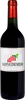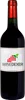
Winery CeptunesDidona Réserve
 Red wine


This wine generally goes well with poultry, beef or lamb.
The Didona Réserve of the Winery Ceptunes is in the top 30 of wines of Tunisia and in the top 5 of wines of Mornag.



Food and wine pairings with Didona Réserve
Pairings that work perfectly with Didona Réserve



Original food and wine pairings with Didona Réserve


The Didona Réserve of Winery Ceptunes matches generally quite well with dishes of beef, lamb or spicy food such as recipes of stuffed zucchini, thomas's shoulder of lamb or imene's tunisian ojja.
Details and technical informations about Winery Ceptunes's Didona Réserve.
Discover the grape variety: Cabernet-Sauvignon
Structured, tannic reds, deeply coloured, with aromas of blackcurrant, blackberry, cedar, tobacco and graphite, underpinned by firm acidity and fine ageing potential. Cornerstone of the great Médoc estates (Pauillac, Saint-Estèphe, Saint-Julien) and signature of Napa Valley, Coonawarra and Maipo. The world's most planted red variety, a natural cross of Cabernet Franc x Sauvignon Blanc born in Bordeaux.
Last vintages of this wine

The best vintages of Didona Réserve from Winery Ceptunes are 2013, 0, 2009
Informations about the Winery Ceptunes
The Winery Ceptunes is one of of the world's greatest estates. It offers 28 wines for sale in the of Mornag to come and discover on site or to buy online.

The wine region of Mornag
Tunisian AOC in the coastal plain ~40 km south of Tunis, dry climate tempered by the sea, Roman tradition inherited from Carthage. Signature Carignan as red king: warm and velvety with blackberry, black cherry, candied plum, garrigue, sweet spices and cocoa touch, round tannins and solar fruit. Peppery Syrah and firm Cabernet as complements, Cinsault and Grenache in reputed fruity Mediterranean roses. Ugni Blanc and Rezzegui in fresh whites.
The word of the wine: Picpoul
See piquepoul.