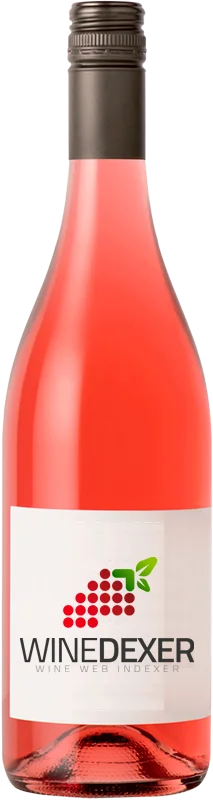
Winery Centennial VineyardsSingle Vineyard Rosé
 Pink wine
This wine generally goes well with poultry, beef or lamb.
Food and wine pairings with Single Vineyard Rosé
Pairings that work perfectly with Single Vineyard Rosé



Original food and wine pairings with Single Vineyard Rosé

The Single Vineyard Rosé of Winery Centennial Vineyards matches generally quite well with dishes of beef, lamb or spicy food such as recipes of beef tagine with prunes and almonds, moroccan tagine with lamb and cardoons or pakistani rice (biryani).
Details and technical informations about Winery Centennial Vineyards's Single Vineyard Rosé.
Discover the grape variety: Cabernet-Sauvignon
Cabernet-Sauvignon noir is a grape variety that originated in France (Bordeaux). It produces a variety of grape specially used for wine making. It is rare to find this grape to eat on our tables. This variety of grape is characterized by small bunches, and small grapes. Cabernet-Sauvignon noir can be found in many vineyards: South-West, Loire Valley, Languedoc & Roussillon, Cognac, Bordeaux, Armagnac, Rhone Valley, Provence & Corsica, Savoie & Bugey, Beaujolais.
Informations about the Winery Centennial Vineyards
The Winery Centennial Vineyards is one of of the world's great estates. It offers 82 wines for sale in the of Nouvelle-Galles du Sud to come and discover on site or to buy online.

The wine region of Nouvelle-Galles du Sud
The NewSouthWales wine appellation is made up of 16 different regions and covers approximately 810,000 square kilometres (312,000 square miles). This is the Size of the state of New South Wales, one of the six that make up the federal Commonwealth of Australia. Although it is one of the smallest Australian states geographically, it has been the most populous since the first European settlements in the 18th century. The South East Australia GI area is the largest in Australia and can include any wine produced in New South Wales as well as Victoria, Tasmania and Parts of South Australia.
The word of the wine: Alcohol
A generic term for the various alcohols produced during fermentation that give the wine body, structure and warmth.