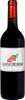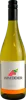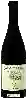
Winery Celliers Du RoussillonLe Petit Mas Vin De Pays D Oc
 Red wine
This wine generally goes well with beef, veal or pasta.

Food and wine pairings with Le Petit Mas Vin De Pays D Oc
Pairings that work perfectly with Le Petit Mas Vin De Pays D Oc



Original food and wine pairings with Le Petit Mas Vin De Pays D Oc
The Le Petit Mas Vin De Pays D Oc of Winery Celliers Du Roussillon matches generally quite well with dishes of beef, pasta or veal such as recipes of boles de picolat (catalan meatballs), spaghetti with courgettes and italian ham or veal cutlets with cream sauce.
Details and technical informations about Winery Celliers Du Roussillon's Le Petit Mas Vin De Pays D Oc.
Discover the grape variety: Minella Bianca
Lively and aromatic dry whites with a pale golden colour, supple palate and preserved acidity, with signature aromas of citrus (lemon), white flowers (acacia), white stone fruit (pear) and saline marine notes. A confidential island profile. Preserved for its heritage value, it produces artisanal local cuvées studied for their genetic interest. An indigenous Italian white variety from Sicily, grown in confidential quantities among rare Sicilian autochthonous varieties.
Informations about the Winery Celliers Du Roussillon
The Winery Celliers Du Roussillon is one of of the world's greatest estates. It offers 6 wines for sale in the of Languedoc-Roussillon to come and discover on site or to buy online.

The wine region of Languedoc-Roussillon
Largest single French vineyard, dominated by sunny, generous reds. Spicy Syrah, candied Grenache (ripe fruit, garrigue), structured Carignan, deep Mourvèdre, supple Cinsault. Stars: structured Corbières, Minervois, Faugères, Saint-Chinian; round Côtes-du-Roussillon. Legendary vins doux naturels: Banyuls and Maury (fortified Grenache) with notes of cocoa, fig, prune.
The word of the wine: Oxidative (breeding)
A method of ageing which aims to give the wine certain aromas of evolution (dried fruit, bitter orange, coffee, rancio, etc.) by exposing it to the air; it is then matured either in barrels, demi-muids or unoaked casks, sometimes stored in the open air, or in barrels exposed to the sun and to temperature variations. This type of maturation characterizes certain natural sweet wines, ports and other liqueur wines.