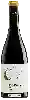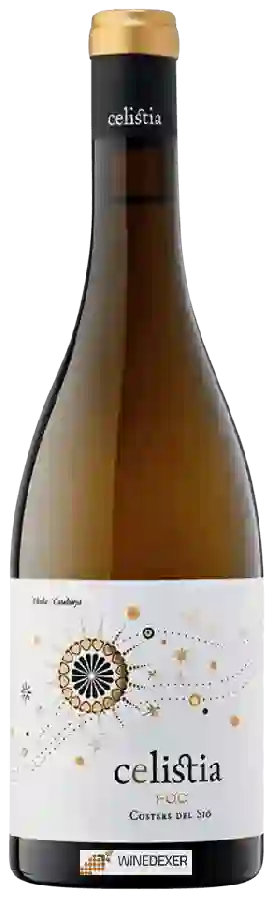
Winery CelistiaFoc
 White wine



This wine generally goes well with pork, poultry or game (deer, venison).

Food and wine pairings with Foc
Pairings that work perfectly with Foc



Original food and wine pairings with Foc



The Foc of Winery Celistia matches generally quite well with dishes of pork, game (deer, venison) or shellfish such as recipes of basque chicken with chorizo, autumn pumpkin pie or pasta with mussels.
Details and technical informations about Winery Celistia's Foc.
Discover the grape variety: Viognier
Opulent, heady whites, rich and silky, with intense aromas of apricot, yellow peach, mango, violet, honeysuckle and musky, honeyed notes. Discreet acidity, creamy finish. Star of Condrieu AOC and Château-Grillet AOC, co-vinified in Côte-Rôtie with Syrah (up to 20%). Widely exported to California (Central Coast), Australia (Eden Valley) and Languedoc. A Rhône variety.
Last vintages of this wine
The best vintages of Foc from Winery Celistia are 0
Informations about the Winery Celistia
The Winery Celistia is one of of the world's greatest estates. It offers 11 wines for sale in the of Costers del Segre to come and discover on site or to buy online.

The wine region of Costers del Segre
Catalan DO of Lleida, 6 subzones from plain to Pyrenean foothills (up to 1,000 m). Raïmat estate qualitative pioneer. Tempranillo (Ull de Llebre) signature in red: round and accessible with signature notes of ripe cherry, plum, soft vanilla, leather and a spicy touch, supple tannins and a gourmand palate. Firm Cabernet, fine Pinot Noir, Catalan Trepat.
The wine region of Catalogne
Cradle of Cava (~95% of Spanish output, traditional method): Macabeo, Xarel-lo, Parellada trilogy, fine fruity bubble. Quality peak in Priorat DOCa: dense, mineral reds on llicorella (schist), old-vine Garnacha and Cariñena with black fruit, garrigue notes, firm tannins. Also Penedès, fleshy Montsant, sunny Empordà, Costers del Segre. Mediterranean.
The word of the wine: Overmaturation
When the grapes reach maturity, the skin becomes permeable and progressively loses water, which causes a concentration phenomenon inside the berry. This is called over-ripening or passerillage.