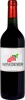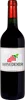
Cave du ChatillonSyrah
 Red wine



In the mouth this red wine is a powerful with a nice balance between acidity and tannins.
This wine generally goes well with poultry, beef or game (deer, venison).

Taste structure of the Syrah from the Cave du Chatillon
Light | Bold | |
Smooth | Tannic | |
Dry | Sweet | |
Soft | Acidic |
In the mouth the Syrah of Cave du Chatillon in the region of Valais is a powerful with a nice balance between acidity and tannins.
Food and wine pairings with Syrah
Pairings that work perfectly with Syrah



Original food and wine pairings with Syrah

The Syrah of Cave du Chatillon matches generally quite well with dishes of beef, lamb or game (deer, venison) such as recipes of beef with balsamic sauce, osso bucco of lamb or rabbit legs with mushrooms.
Details and technical informations about Cave du Chatillon's Syrah.
Discover the grape variety: Muscat Hamburg
Aromatic sweet and liqueur reds with a garnet ruby hue, ample and fragrant palate; powerful muscat signature aromas of rose, red fruits (cherry, raspberry), exotic fruits and honey. Also a prized table grape exported worldwide for its appearance and muscat flavour. Synonym for Muscat of Hamburg, a black aromatic variety bred in England in 1837 (Muscat of Alexandria × Schiava Grossa).
Last vintages of this wine
The best vintages of Syrah from Cave du Chatillon are 0
Informations about the Cave du Chatillon
The Cave du Chatillon is one of of the world's greatest estates. It offers 7 wines for sale in the of Valais to come and discover on site or to buy online.

The wine region of Valais
Switzerland's largest vineyard, capital of native grapes. Straight, precise alpine whites: light, floral Chasselas (Fendant), signature Petite Arvine with saline, grapefruit and rhubarb notes, rich, apricoty Amigne, mineral Humagne Blanche. Altitude reds: fine Pinot Noir, crisp Gamay, native Cornalin and Humagne Rouge, spicy and deep. Highly precise alpine age-worthy wines.
The word of the wine: Persistence
Persistence in the mouth of a wine measured in caudalies.