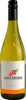
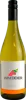
Cave du ChatillonCave du Châtillon Grand Cru Saillon Petite Arvine
 White wine


This wine generally goes well with

Wine flavors and olphactive analysis

On the nose the Cave du Châtillon Grand Cru Saillon Petite Arvine of Cave du Chatillon in the region of Valais often reveals types of flavors of earth, citrus fruit.
Details and technical informations about Cave du Chatillon's Cave du Châtillon Grand Cru Saillon Petite Arvine.
Discover the grape variety: Nerello mascalese
Elegant, taut reds with a pale ruby colour (often compared to Pinot Noir and Nebbiolo), fine tannins and high acidity, on aromas of red cherry, raspberry, Mediterranean herbs, dried flowers, spices, graphite and volcanic mineral notes. Fine ageing potential. The absolute star of Etna Rosso DOC, thriving on the black lava flows of the north and east contrade. Also in Faro DOC. Native Sicilian high-altitude grape.
Last vintages of this wine
The best vintages of Cave du Châtillon Grand Cru Saillon Petite Arvine from Cave du Chatillon are 2018, 0
Informations about the Cave du Chatillon
The Cave du Chatillon is one of of the world's greatest estates. It offers 7 wines for sale in the of Valais to come and discover on site or to buy online.

The wine region of Valais
Switzerland's largest vineyard, capital of native grapes. Straight, precise alpine whites: light, floral Chasselas (Fendant), signature Petite Arvine with saline, grapefruit and rhubarb notes, rich, apricoty Amigne, mineral Humagne Blanche. Altitude reds: fine Pinot Noir, crisp Gamay, native Cornalin and Humagne Rouge, spicy and deep. Highly precise alpine age-worthy wines.
The word of the wine: Beurré
Typical aroma of white wines aged in oak barrels and wines that have undergone malolactic fermentation.