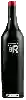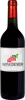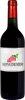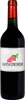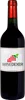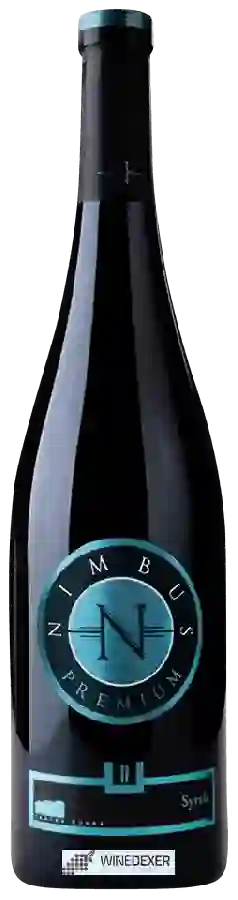
Winery Castra RubraNimbus Premium Syrah
 Red wine


This wine generally goes well with beef, lamb or mature and hard cheese.

Wine flavors and olphactive analysis




On the nose the Nimbus Premium Syrah of Winery Castra Rubra in the region of Thracian Valley often reveals types of flavors of non oak, earth or microbio and sometimes also flavors of oak, spices or red fruit.
Food and wine pairings with Nimbus Premium Syrah
Pairings that work perfectly with Nimbus Premium Syrah



Original food and wine pairings with Nimbus Premium Syrah

The Nimbus Premium Syrah of Winery Castra Rubra matches generally quite well with dishes of beef, lamb or spicy food such as recipes of provencal stew, shoulder of lamb on a bed of potatoes or dab with coconut milk.
Details and technical informations about Winery Castra Rubra's Nimbus Premium Syrah.
Discover the grape variety: Précoce de Malingre
Very early table grape with golden, thin-skinned and juicy berries, showing simple fresh aromas of white-fleshed fruit and flowers. Occasionally vinified into simple, lively dry whites for early drinking. Mainly destined for fresh consumption at the start of the season, well suited to northern viticultural climates. Grown in France and Germany. French white variety, an early mutation obtained in the 19th century by Malingre.
Last vintages of this wine

The best vintages of Nimbus Premium Syrah from Winery Castra Rubra are 2011, 2015, 0, 2013 and 2010.
Informations about the Winery Castra Rubra
The Winery Castra Rubra is one of of the world's greatest estates. It offers 28 wines for sale in the of Thracian Valley to come and discover on site or to buy online.

The wine region of Thracian Valley
Bulgaria's largest wine region, land of identity-driven reds. Signature Mavrud around Plovdiv: a structured, tannic red with notes of blackberry, candied plum, dry herbs, leather and spices, long ageing. Fleshy, deep Rubin (Nebbiolo × Syrah cross), supple, fruity Pamid, dense Melnik 55. Aromatic Red Misket whites (rose, citrus).
The word of the wine: Sweet
Generic term for wines containing residual sugar (natural sugars in the grapes that have not been transformed into alcohol). It is also used to describe a wine with a dominantly sweet flavour, without further explanation.