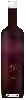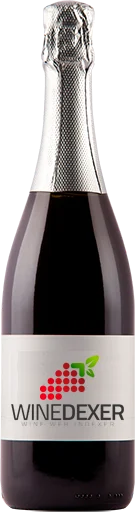
Château CastignoRosé Brut Nature
 Sparkling wine


This wine generally goes well with beef, lamb or mature and hard cheese.
The Rosé Brut Nature of the Château Castigno is in the top 60 of wines of Languedoc-Roussillon.
Food and wine pairings with Rosé Brut Nature
Pairings that work perfectly with Rosé Brut Nature



Original food and wine pairings with Rosé Brut Nature

The Rosé Brut Nature of Château Castigno matches generally quite well with dishes of beef, lamb or spicy food such as recipes of beef tongue with pickle sauce, lamb tagine with apricots (morocco) or julienne fillets in coconut milk.
Details and technical informations about Château Castigno's Rosé Brut Nature.
Discover the grape variety: Mayorquin
Mayorquin is one of the many white grape varieties. According to the studies undertaken, it comes from Spanish vineyards and its original name is planta fina de Pedralba. In France, it may also be called Plant de Marseille, but it has other names such as Tizigzaouine, Damas Blanc or Alicante, depending on the regions and areas where it is grown. Nowadays, this variety is grown on an area of almost 2 ha, regardless of its names. Mayorquin is considered a rare variety. It is in the process of disappearing and requires some multiplication and cultivation to continue to exist. In France, it is only found in Belley and is mainly used as a table grape, especially for desserts. However, it can also be vinified, although the result is not as appreciated as those of other grape varieties. Instead, people tend to use Mayorquin as a secondary grape variety to produce other more popular wines.
Last vintages of this wine

The best vintages of Rosé Brut Nature from Château Castigno are 2011, 2013, 2014
Informations about the Château Castigno
The Château Castigno is one of of the world's greatest estates. It offers 17 wines for sale in the of Languedoc-Roussillon to come and discover on site or to buy online.

The wine region of Languedoc-Roussillon
Languedoc (formerly Coteaux du Languedoc) is a key appellation used in the Languedoc-Roussillon wine region of southern France. It covers Dry table wines of all three colors (red, white and rosé) from the entire region, but leaves Sweet and Sparkling wines to other more specialized appellations. About 75% of all Languedoc wines are red, with the remaining 25% split roughly down the middle between whites and rosés. The appellation covers most of the Languedoc region and almost a third of all the vineyards in France.
The word of the wine: Apyrene
Seedless grape.