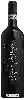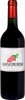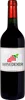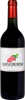
Winery Castello di RazzanoCacio Mühle Barbera d'Asti Superiore
 wine
wine
This wine generally goes well with
The Cacio Mühle Barbera d'Asti Superiore of the Winery Castello di Razzano is in the top 0 of wines of Barbera d'Asti.
Details and technical informations about Winery Castello di Razzano's Cacio Mühle Barbera d'Asti Superiore.
Discover the grape variety: Aranel
Aranel blanc is a grape variety that originated in France (Languedoc). It produces a variety of grape specially used for wine making. It is rare to find this grape to eat on our tables. This variety of grape is characterized by large bunches and small grapes. The white Aranel can be found in several vineyards: South-West, Cognac, Bordeaux, Provence & Corsica, Rhone valley, Languedoc & Roussillon, Loire valley, Savoie & Bugey, Beaujolais, Armagnac.
Informations about the Winery Castello di Razzano
The Winery Castello di Razzano is one of of the world's great estates. It offers 31 wines for sale in the of Barbera d'Asti to come and discover on site or to buy online.

The wine region of Barbera d'Asti
The wine region of Barbera d'Asti is located in the region of Piémont of Italy. Wineries and vineyards like the Domaine Coppo or the Domaine Luigi Spertino produce mainly wines red. On the nose of Barbera d'Asti often reveals types of flavors of cream, dark fruit or cassis and sometimes also flavors of caramel, raisin or stone. In the mouth of Barbera d'Asti is a powerful with a nice freshness.
The wine region of Piedmont
Piedmont (Piemonte) holds an unrivalled place among the world's finest wine regions. Located in northwestern Italy, it is home to more DOCG wines than any other Italian region, including such well-known and respected names as Barolo, Barbaresco and Barbera d'Asti. Though famous for its Austere, Tannic, Floral">floral reds made from Nebbiolo, Piedmont's biggest success story in the past decade has been Moscato d'Asti, a Sweet, Sparkling white wine. Piedmont Lies, as its name suggests, at the foot of the Western Alps, which encircle its northern and western sides and form its naturally formidable border with Provence, France.
The word of the wine: Yeast
Micro-organisms at the base of all fermentative processes. A wide variety of yeasts live and thrive naturally in the vineyard, provided that treatments do not destroy them. Unfortunately, their replacement by laboratory-selected yeasts is often the order of the day and contributes to the standardization of the wine. Yeasts are indeed involved in the development of certain aromas.