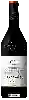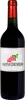
Winery CastelCuvée de France Dry Red
 Red wine


This wine generally goes well with beef, lamb or mature and hard cheese.

Food and wine pairings with Cuvée de France Dry Red
Pairings that work perfectly with Cuvée de France Dry Red



Original food and wine pairings with Cuvée de France Dry Red

The Cuvée de France Dry Red of Winery Castel matches generally quite well with dishes of beef, lamb or spicy food such as recipes of oxtail and carrot stew, tomatoes, zucchini, potatoes stuffed moroccan style with... or chicken with courgettes and curry.
Details and technical informations about Winery Castel's Cuvée de France Dry Red.
Discover the grape variety: Bronner
Lively, fresh dry whites with a pale golden hue, a lean palate and preserved acidity, with delicate notes of citrus, green apple, pear, white flowers, pineapple and light muscat hints. Refreshing profile. Disease-resistant interspecific variety, a locomotive of northern organic vineyards: Germany, Italy (Trentino), Belgium, Netherlands, Denmark and the UK. German hybrid created in 1975 in Freiburg by Norbert Becker.
Last vintages of this wine
The best vintages of Cuvée de France Dry Red from Winery Castel are 2013, N.V.
Informations about the Winery Castel
The Winery Castel is one of of the world's great estates. It offers 114 wines for sale in the of Vin de Pays to come and discover on site or to buy online.

The wine region of Vin de Pays
Intermediate category between AOC and Vin de France (renamed IGP in 2009), 27% of national volume. Accessible, expressive wines defined by their grape: opulent Chardonnay, lively Sauvignon, round Merlot, peppery Syrah, floral Viognier with apricot. 76 IGP in France at 3 scales: regional (Pays d'Oc, Méditerranée, Val de Loire), departmental or local. Flexible rules, wide range of permitted grapes, free grape and vintage labelling.
The wine region of Pays d'Oc
The single-grape IGP par excellence: modern, accessible, frank and fruity wines, the popular signature of the Midi. Spicy Syrah reds (pepper, blackberry), round Merlot, structured Cabernet, generous Grenache, supple Cinsault. Crisp, tangy rosés. Opulent Chardonnay whites, lively Sauvignon, floral, apricoty Viognier.
The word of the wine: Pommadé
Said of a wine that is unbalanced, pasty, syrupy, and whose excessive sugar content gives an impression of heaviness.