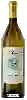
Winery Cascina La GhersaAurato
 wine
wine
This wine generally goes well with
The Aurato of the Winery Cascina La Ghersa is in the top 0 of wines of Piedmont.

Details and technical informations about Winery Cascina La Ghersa's Aurato.
Discover the grape variety: Duras
Structured, spicy reds with a sustained ruby robe, firm tannins and fresh acidity, with aromas of dark fruit (blackberry, blackcurrant), black pepper, spice, liquorice and balsamic notes. Dense palate, good ageing potential. Star of Gaillac AOC on the Tarn terraces (minimum 40% in reds, blended with Braucol and Syrah). Also in IGP Côtes du Tarn. Autochthonous variety of the French South-West, unrelated to the town of Duras (Lot-et-Garonne).
Informations about the Winery Cascina La Ghersa
The Winery Cascina La Ghersa is one of of the world's great estates. It offers 24 wines for sale in the of Piedmont to come and discover on site or to buy online.

The wine region of Piedmont
Kingdom of Nebbiolo: Barolo and Barbaresco DOCG, long-ageing reds with firm tannins and lively acidity, complex aromas of withered rose, sour cherry, tar, truffle and undergrowth. More accessible, tangy Barbera on red fruit, supple, crisp Dolcetto. Sweet, floral sparkling Moscato d'Asti, mineral, lemony Gavi (Cortese) white, round, almondy Arneis from Roero. 50,000 ha across the Langhe, Roero and Monferrato, UNESCO.
The word of the wine: Imperial
Bottle with a capacity of 6 liters (synonym of mathusalem).