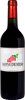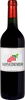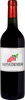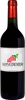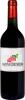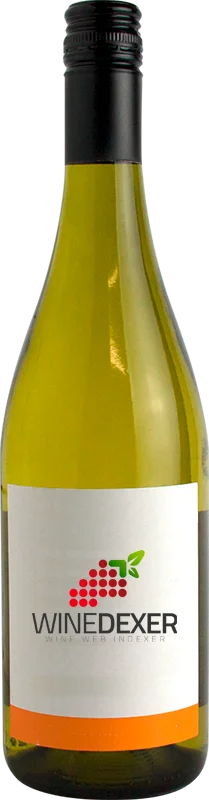
Winery Casal MartinoMartorelle Bianco
 White wine


In the mouth this white wine is a with a nice freshness.
This wine generally goes well with vegetarian, appetizers and snacks or lean fish.

Taste structure of the Martorelle Bianco from the Winery Casal Martino
Light | Bold | |
Dry | Sweet | |
Soft | Acidic |
In the mouth the Martorelle Bianco of Winery Casal Martino in the region of Lazio is a with a nice freshness.
Food and wine pairings with Martorelle Bianco
Pairings that work perfectly with Martorelle Bianco



Original food and wine pairings with Martorelle Bianco


The Martorelle Bianco of Winery Casal Martino matches generally quite well with dishes of pasta, vegetarian or appetizers and snacks such as recipes of mami's macaroni and gruyere gratin, tuna, pepper and tomato quiche or avocado verrine and quick.
Details and technical informations about Winery Casal Martino's Martorelle Bianco.
Discover the grape variety: Noiret
Colourful, structured reds with a deep ruby hue, firm tannins and fresh acidity, featuring black fruits (blackberry, blackcurrant), plum, cherry, black pepper, spices and herbaceous notes without foxy taste. Dense, balanced palate. Disease- and cold-resistant interspecific variety, a locomotive of the north-eastern US (Finger Lakes, Pennsylvania) and Ontario. American hybrid created in 2006 by Cornell University.
Last vintages of this wine
The best vintages of Martorelle Bianco from Winery Casal Martino are 0
Informations about the Winery Casal Martino
The Winery Casal Martino is one of of the world's greatest estates. It offers 11 wines for sale in the of Lazio to come and discover on site or to buy online.

The wine region of Lazio
Two-millennia Roman vineyard, predominantly white on the volcanic soils of the Castelli Romani. Frascati DOC as figurehead: fresh, accessible whites based on Malvasia and Trebbiano, notes of green apple, white flowers and almond, slightly bitter finish. Also Bellone and Grechetto. Emblematic red: Cesanese del Piglio DOCG, fleshy with notes of ripe cherry, dry herbs and spice, round tannins.
The word of the wine: Film maceration
A technique that consists of leaving the grapes to macerate in the open air at a low temperature before fermentation, thus enhancing the aromatic expression of the wine.