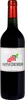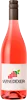
Winery CartoRose(ish)
 Pink wine


This wine generally goes well with beef, lamb or mature and hard cheese.

Food and wine pairings with Rose(ish)
Pairings that work perfectly with Rose(ish)



Original food and wine pairings with Rose(ish)

The Rose(ish) of Winery Carto matches generally quite well with dishes of beef, lamb or spicy food such as recipes of pasta al forno (baked pasta), leg of lamb with crust or mullet with onions and white wine.
Details and technical informations about Winery Carto's Rose(ish).
Discover the grape variety: Ribol
Light, simple, fruity reds with a pale ruby robe, silky tannins and an airy, moderately acidic palate, with undemonstrative aromas of red fruits. A discreet rustic profile. Preserved in a few ampelographic collections for its heritage value, Ribol is an ancient variety whose commercial cultivation has almost vanished; it is studied for its genetic interest. A rare black grape, poorly documented, grown in negligible quantities.
Last vintages of this wine
The best vintages of Rose(ish) from Winery Carto are 0
Informations about the Winery Carto
The Winery Carto is one of of the world's greatest estates. It offers 1 wines for sale in the of Nouvelle-Galles du Sud to come and discover on site or to buy online.

The wine region of Nouvelle-Galles du Sud
Australia's 2nd wine state with diverse regions. Iconic Hunter Valley: a Sémillon unlike any other, straight, low-alcohol dry whites with vivid citrus when young, evolving over 10-20 years toward honey, toast and lanolin. Medium-bodied Hunter Shiraz, spicy and earthy (leather, red fruits). Also round Chardonnay and aromatic Verdelho.
The word of the wine: Gourmet
Unproductive shoot growing on the trunk of the vine.