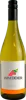
Winery Captain's WalkDisappearing Treasure
 Sweet wine



This wine is a blend of 2 varietals which are the Gewurztraminer and the Riesling.
This wine generally goes well with pork, vegetarian or poultry.

Food and wine pairings with Disappearing Treasure
Pairings that work perfectly with Disappearing Treasure



Original food and wine pairings with Disappearing Treasure



The Disappearing Treasure of Winery Captain's Walk matches generally quite well with dishes of pork, rich fish (salmon, tuna etc) or spicy food such as recipes of homemade burger, spaghetti neapolitan style or red mullet, mackerel, tuna, salmon sushi.
Details and technical informations about Winery Captain's Walk's Disappearing Treasure.
Discover the grape variety: Gewurztraminer
Full-bodied, exotic whites, rich and heady, with moderate acidity, showing opulent aromas of lychee, rose, mango, ginger, pink grapefruit and gentle spice. Made as aromatic dry, moelleux late-harvest and liquorous sélection de grains nobles. Star of Alsace AOC (one of the four noble varieties) and signature of Alto Adige (Tramin), Palatinate and Germany. A pink mutation of Traminer.
Last vintages of this wine
The best vintages of Disappearing Treasure from Winery Captain's Walk are 0
Informations about the Winery Captain's Walk
The Winery Captain's Walk is one of of the world's greatest estates. It offers 26 wines for sale in the of Wisconsin to come and discover on site or to buy online.

The wine region of Wisconsin
Wine state of the northern American Midwest, harsh continental climate requiring cold-hardy hybrids. Signature Marquette in red: deep robe with signature notes of black cherry, plum, black pepper, cocoa and a herbaceous touch, firm tannins and lively acidity — bred for these extreme climates. Also spicy Maréchal Foch, Léon Millot. Aromatic whites: muscaty La Crescent (apricot, honey), fruity Brianna, vivid La Crosse, Saint Pepin.
The word of the wine: Primeur
Said of wines from the last vintage and, by extension, wines of the year, fruity and easy-drinking, put on sale on the third Thursday in November. The AOC regulations specify that a wine is said to be primeur if it is bottled before the spring, and nouveau if it is bottled before the following harvest. Beaujolais Nouveau is therefore a vin primeur.