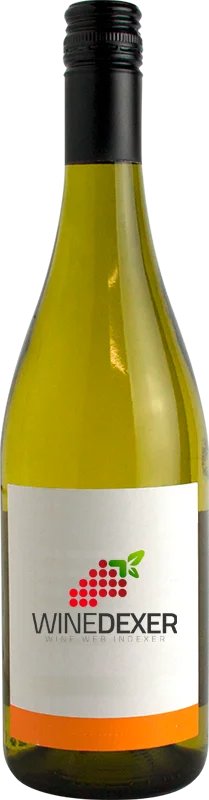
Winery Capel VinosDon Santiago Sweet
 Sweet wine



This wine generally goes well with

Details and technical informations about Winery Capel Vinos's Don Santiago Sweet.
Discover the grape variety: Abondant
Simple and fresh dry whites, pale golden colour, supple mouth with moderate acidity, with understated aromas of citrus and white flowers. Rustic, productive and vigorous profile yielding large clusters. Preserved in ampelographic collections. Not to be confused with the Savoyard Abondance. Autochthonous French white grape once grown in Île-de-France and the Centre.
Last vintages of this wine
The best vintages of Don Santiago Sweet from Winery Capel Vinos are 0
Informations about the Winery Capel Vinos
The Winery Capel Vinos is one of of the world's great estates. It offers 68 wines for sale in the of Vinos de Pago to come and discover on site or to buy online.

The wine region of Vinos de Pago
Top of the Spanish quality pyramid (above DOCa and DO), reserved for 25 exceptional estates. Estate wines, grapes and vinification exclusively on site, 10 years of track record. All styles: concentrated, barrel-aged Cabernet, Syrah and Tempranillo reds (Dominio de Valdepusa, Arínzano, Pago de Otazu), maker's blends, a few ambitious whites. Great stylistic freedom.
The word of the wine: Amber
(1) A colour close to amber, sometimes taken on by white wines aged for a long time, or by oxidising prematurely. (2) A term used on the label to designate white Rivesaltes aged for at least thirty months in an oxidizing environment.