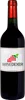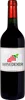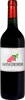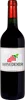
Winery Cantina PizzorinLa Tur
 Red wine


This wine is a blend of 2 varietals which are the Cabernet-Sauvignon and the Merlot.
This wine generally goes well with poultry, beef or game (deer, venison).

Wine flavors and olphactive analysis



On the nose the La Tur of Winery Cantina Pizzorin in the region of Ticino often reveals types of flavors of non oak, oak.
Food and wine pairings with La Tur
Pairings that work perfectly with La Tur



Original food and wine pairings with La Tur


The La Tur of Winery Cantina Pizzorin matches generally quite well with dishes of beef, lamb or game (deer, venison) such as recipes of braciola (southern italy), marinated lamb chops or rabbit with goat cheese and mint.
Details and technical informations about Winery Cantina Pizzorin's La Tur.
Discover the grape variety: Cabernet-Sauvignon
Structured, tannic reds, deeply coloured, with aromas of blackcurrant, blackberry, cedar, tobacco and graphite, underpinned by firm acidity and fine ageing potential. Cornerstone of the great Médoc estates (Pauillac, Saint-Estèphe, Saint-Julien) and signature of Napa Valley, Coonawarra and Maipo. The world's most planted red variety, a natural cross of Cabernet Franc x Sauvignon Blanc born in Bordeaux.
Last vintages of this wine

The best vintages of La Tur from Winery Cantina Pizzorin are 2012, 0, 2011
Informations about the Winery Cantina Pizzorin
The Winery Cantina Pizzorin is one of of the world's greatest estates. It offers 9 wines for sale in the of Ticino to come and discover on site or to buy online.

The wine region of Ticino
Italian Switzerland, stronghold of Helvetic Merlot (~80% of plantings). Fleshy, refined reds with signature notes of ripe plum, black cherry, dark chocolate, leather and spices, round tannins and a velvety palate — often compared to the best Pomerol. Some cuvées vinified as Bianco di Merlot: original, ample whites (peach, citrus). Also native Bondola and Bordeaux blends.
The word of the wine: Maceration
Prolonged contact and exchange between the juice and the grape solids, especially the skin. Not to be confused with the time of fermentation, which follows maceration. The juice becomes loaded with colouring matter and tannins, and acquires aromas. For a rosé, the maceration is short so that the colour does not "rise" too much. For white wines too, a "pellicular maceration" can be practised, which allows the wine to acquire more fat.