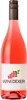
Winery Cantina MarsadriBrolo Rosso
 Red wine



In the mouth this red wine is a powerful.
This wine generally goes well with beef, game (deer, venison) or lamb.

Taste structure of the Brolo Rosso from the Winery Cantina Marsadri
Light | Bold | |
Smooth | Tannic | |
Dry | Sweet | |
Soft | Acidic |
In the mouth the Brolo Rosso of Winery Cantina Marsadri in the region of Lombardia is a powerful.
Food and wine pairings with Brolo Rosso
Pairings that work perfectly with Brolo Rosso



Original food and wine pairings with Brolo Rosso

The Brolo Rosso of Winery Cantina Marsadri matches generally quite well with dishes of beef, pasta or lamb such as recipes of blanquette of monkfish with small vegetables, spaghetti with salmon or lamb with coconut milk.
Details and technical informations about Winery Cantina Marsadri's Brolo Rosso.
Discover the grape variety: VB Cal 6-04
Simple, fresh whites with a pale golden colour, a supple palate with moderate acidity and undemonstrative aromas of citrus and white flowers. Productive and resistant to downy and powdery mildew. Grown in small quantities in Europe for sustainably managed vineyards, it belongs to the new generation of disease-resistant varieties from modern hybridisation programmes. White hybrid variety obtained through complex disease-resistant crossing.
Last vintages of this wine
The best vintages of Brolo Rosso from Winery Cantina Marsadri are 2011, 2016, 0
Informations about the Winery Cantina Marsadri
The Winery Cantina Marsadri is one of of the world's greatest estates. It offers 20 wines for sale in the of Lombardia to come and discover on site or to buy online.

The wine region of Lombardia
Three poles. Franciacorta DOCG, Italy's answer to Champagne: elegant brioche traditional-method sparklers (Chardonnay, Pinot Noir, Pinot Blanc), fine bubble and mineral profile. Alpine Valtellina: Nebbiolo (alias Chiavennasca) with fine tannins and red fruits, powerful Sforzato passito. Oltrepò Pavese: fresh Pinot Noir and fruity-sparkling Bonarda.
The word of the wine: Malolactic fermentation
Called second fermentation or malo for short. It is the degradation (under the effect of bacteria) of the malic acid naturally present in the wine into milder, less aggressive lactic acid. Some producers or wineries refuse this operation by "blocking the malo" (by cold and adding SO2) to keep a maximum of acidity which carries the aromas and accentuates the sensation of freshness.