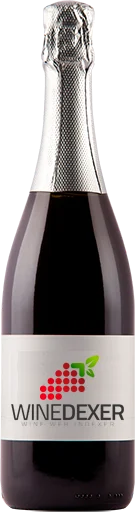
Winery Cantina ManziniGutturnio Frizzante
 Sparkling wine



This wine generally goes well with pork, poultry or mild and soft cheese.

Food and wine pairings with Gutturnio Frizzante
Pairings that work perfectly with Gutturnio Frizzante



Original food and wine pairings with Gutturnio Frizzante

The Gutturnio Frizzante of Winery Cantina Manzini matches generally quite well with dishes of pork, spicy food or poultry such as recipes of quiche without eggs, caramel pork or eggs florentine.
Details and technical informations about Winery Cantina Manzini's Gutturnio Frizzante.
Discover the grape variety: Arbanne
Dry, rich and lively whites and Champagne sparkling wines, pale golden, with a slender palate and very high acidity, showing delicate floral aromas, citrus (lemon), white-fleshed fruits and brioche notes when sparkling. Late and demanding. Preserved by a few Champagne growers under the CIVC, it is one of the traditional varieties authorised in Champagne for confidential cuvées. Synonym of Arbane, rare native white variety from the Aube.
Last vintages of this wine
The best vintages of Gutturnio Frizzante from Winery Cantina Manzini are 2014, 2013, 0
Informations about the Winery Cantina Manzini
The Winery Cantina Manzini is one of of the world's great estates. It offers 15 wines for sale in the of Gutturnio to come and discover on site or to buy online.

The wine region of Gutturnio
Historic DOC of the Colli Piacentini (Emilia-Romagna, 1967): signature blend of Barbera (55-70%) and Croatina known as Bonarda (30-45%) in red — bright ruby robe, signature vinous aromas of cherry, red fruits and a floral rose touch, dry or semi-dry palate balancing Barbera's edge with Bonarda's sweetness. Still, signature frizzante or Superiore versions. Northern slope of the Ligurian Apennines, royal pairing with charcuterie and local pasta.
The wine region of Emilia-Romagna
Kingdom of Lambrusco: fresh, fruity sparkling reds (blackberry, cherry, violet), from gourmet dry to convivial off-dry, perfect with local charcuterie. World's best-selling sparkling wine on the Emilia side (Sorbara, Grasparossa, Salamino). East, Romagna: supple fruity Sangiovese, Albana (Italy's 1st white DOCG, 1987) ample and almondy. Also red Gutturnio and white Pignoletto.
The word of the wine: Oenologist
Specialist in wine-making techniques. It is a profession and not a passion: one can be an oenophile without being an oenologist (and the opposite too!). Formerly attached to the Faculty of Pharmacy, oenology studies have become independent and have their own university course. Learning to make wine requires a good chemical background but also, increasingly, a good knowledge of the plant. Some oenologists work in laboratories (analysis). Others, the consulting oenologists, work directly in the properties.