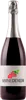
Winery Cantina Forli PredappioTratti d'Autore Cagnina Dolce
 Sweet wine


This wine generally goes well with

Details and technical informations about Winery Cantina Forli Predappio's Tratti d'Autore Cagnina Dolce.
Discover the grape variety: Cerceal Branco
Lively and structured dry whites with a pale golden colour, slender palate and very marked razor-sharp acidity, with signature aromas of citrus (lemon), green apple, white flowers and mineral notes. An airy and taut profile. A component of Bairrada sparkling wines (base for effervescents) and present in Dão DOC. Known as Sercial in Madeira, where it signs the great dry Madeiras. An indigenous Portuguese white variety from Bairrada and Dão.
Last vintages of this wine
The best vintages of Tratti d'Autore Cagnina Dolce from Winery Cantina Forli Predappio are 0, 2015
Informations about the Winery Cantina Forli Predappio
The Winery Cantina Forli Predappio is one of of the world's great estates. It offers 28 wines for sale in the of Romagna to come and discover on site or to buy online.

The wine region of Romagna
Eastern part of Emilia-Romagna on the Adriatic. Sangiovese signature in red: Romagnola version more supple and fruity than in Tuscany, with signature notes of red cherry, raspberry, plum, violet, Mediterranean herbs and a spicy touch, fine tannins and gourmand palate — sublimated in DOCG Sangiovese Superiore. Albana as star white (Italy's 1st white DOCG) ample (pear, honey). Straight Trebbiano, floral Pagadebit, sweet Cagnina.
The wine region of Emilia-Romagna
Kingdom of Lambrusco: fresh, fruity sparkling reds (blackberry, cherry, violet), from gourmet dry to convivial off-dry, perfect with local charcuterie. World's best-selling sparkling wine on the Emilia side (Sorbara, Grasparossa, Salamino). East, Romagna: supple fruity Sangiovese, Albana (Italy's 1st white DOCG, 1987) ample and almondy. Also red Gutturnio and white Pignoletto.
The word of the wine: Silky
Said of a caressing wine with extremely fine tannins.