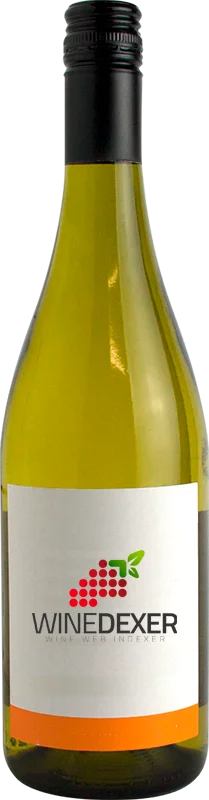
Winery Cantina dei Colli AmeriniTorsevera Bianco
 White wine


In the mouth this white wine is a powerful with a nice freshness.
This wine generally goes well with vegetarian, appetizers and snacks or lean fish.

Taste structure of the Torsevera Bianco from the Winery Cantina dei Colli Amerini
Light | Bold | |
Dry | Sweet | |
Soft | Acidic |
In the mouth the Torsevera Bianco of Winery Cantina dei Colli Amerini in the region of Umbria is a powerful with a nice freshness.
Food and wine pairings with Torsevera Bianco
Pairings that work perfectly with Torsevera Bianco



Original food and wine pairings with Torsevera Bianco


The Torsevera Bianco of Winery Cantina dei Colli Amerini matches generally quite well with dishes of pasta, vegetarian or appetizers and snacks such as recipes of capellini with vegetables, cream and tuna quiche or roasted pumpkin seeds.
Details and technical informations about Winery Cantina dei Colli Amerini's Torsevera Bianco.
Discover the grape variety: Bia blanc
Simple, fresh dry whites with a pale golden robe, supple palate with moderate acidity, showing understated citrus and white flower aromas. Discreet rustic profile. Preserved in a few ampelographic collections for its heritage value, it belongs to the ancient varieties whose commercial spread has nearly vanished, studied for their genetic interest. Rare white variety, little documented, grown in confidential quantities.
Last vintages of this wine
The best vintages of Torsevera Bianco from Winery Cantina dei Colli Amerini are 0
Informations about the Winery Cantina dei Colli Amerini
The Winery Cantina dei Colli Amerini is one of of the world's great estates. It offers 34 wines for sale in the of Umbria to come and discover on site or to buy online.

The wine region of Umbria
"Green heart" of Italy, cradle of Sagrantino: exceptional tannic red in Sagrantino di Montefalco DOCG, dense and concentrated with notes of blackberry, candied plum, liquorice, spice and leather, powerful tannins and long ageing. Suppler Sangiovese in blends, Cabernet and Merlot in Torgiano DOCG. Orvieto whites based on Grechetto and Trebbiano, full and almondy, from dry to sweet Muffato. ~13,000 ha between Tuscany and Lazio.
The word of the wine: Primary (aromas)
Aromas characteristic of each grape variety, essentially fruity and floral.