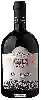
Winery Cantina BasileShamira Non Shamira Passito di Pantelleria
 Sweet wine


This wine generally goes well with

Details and technical informations about Winery Cantina Basile's Shamira Non Shamira Passito di Pantelleria.
Discover the grape variety: Landal
Deeply colored, simple and fruity reds with a dark ruby robe, lightly firm tannins and a direct palate, showing signature aromas of red fruits (cherry, raspberry), gentle spices and herbaceous notes. Cold and disease resistant profile. Grown mainly in Canada (Quebec, Ontario) and the northeastern US for vineyards with harsh continental climates. French black hybrid obtained around 1933 by Pierre Landot (Landot 244).
Last vintages of this wine
The best vintages of Shamira Non Shamira Passito di Pantelleria from Winery Cantina Basile are 2012
Informations about the Winery Cantina Basile
The Winery Cantina Basile is one of of the world's greatest estates. It offers 8 wines for sale in the of Passito di Pantelleria to come and discover on site or to buy online.

The wine region of Passito di Pantelleria
Sicilian island DOC (dark volcanic soils, UNESCO alberello training, conche sheltered from the scirocco, arid and windy climate): Zibibbo (Moscato d'Alessandria) is the exclusive king in sweet passito whites — amber-nectar robe with notes of dried apricot, candied orange zest, soft spices, honey and volcanic saline minerality, rich and concentrated palate with preserved sugar-freshness balance. Grapes sun-dried 1–4 weeks, subtle and elegant aromatics.
The wine region of Sicily
Major qualitative renewal. Sunny, expressive reds: fleshy, spicy Nero d'Avola (black cherry, blackberry, liquorice), fine, mineral Nerello Mascalese on Etna (recalls Pinot Noir), light, crisp Frappato in Cerasuolo di Vittoria DOCG. Lively, saline whites: Catarratto, fat, iodised Grillo, taut Carricante, floral Inzolia. Amber, walnutty fortified Marsala.
The word of the wine: Pinenc
See servadou iron.