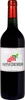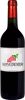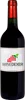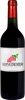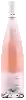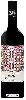
Winery CanalvaSelección
 Red wine


This wine is a blend of 2 varietals which are the Cabernet-Sauvignon and the Tempranillo.
In the mouth this red wine is a powerful.
This wine generally goes well with poultry, beef or veal.

Taste structure of the Selección from the Winery Canalva
Light | Bold | |
Smooth | Tannic | |
Dry | Sweet | |
Soft | Acidic |
In the mouth the Selección of Winery Canalva in the region of Estrémadure is a powerful.
Food and wine pairings with Selección
Pairings that work perfectly with Selección



Original food and wine pairings with Selección

The Selección of Winery Canalva matches generally quite well with dishes of beef, pasta or veal such as recipes of seven o'clock leg of lamb, pasta with ham and tomato or roast pork with prunes.
Details and technical informations about Winery Canalva's Selección.
Discover the grape variety: Cabernet-Sauvignon
Structured, tannic reds, deeply coloured, with aromas of blackcurrant, blackberry, cedar, tobacco and graphite, underpinned by firm acidity and fine ageing potential. Cornerstone of the great Médoc estates (Pauillac, Saint-Estèphe, Saint-Julien) and signature of Napa Valley, Coonawarra and Maipo. The world's most planted red variety, a natural cross of Cabernet Franc x Sauvignon Blanc born in Bordeaux.
Last vintages of this wine
The best vintages of Selección from Winery Canalva are 0
Informations about the Winery Canalva
The Winery Canalva is one of of the world's great estates. It offers 8 wines for sale in the of Estrémadure to come and discover on site or to buy online.

The wine region of Estrémadure
Autonomous community of western Spain, the 2nd largest national vineyard (~87,000 ha) with excellent value for money. Tempranillo signature in red: round and accessible with signature notes of ripe cherry, plum, soft vanilla, leather and a spicy touch, supple tannins. Sun-drenched Garnacha, colourful Bobal, firm Cabernet complete the line-up. Vivid Cayetana and Pardina whites (citrus, flowers).
The word of the wine: Table wine
A category of wine with no geographical indication on the label, often resulting from blends between wines from different vineyards in France or the EU. These wines are now called "wines without geographical indication" (and "French wines" if they come from the national territory).