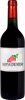
Winery CaluvaReal De Vera Merlot
 Red wine
This wine generally goes well with beef and game (deer, venison).
The Real De Vera Merlot of the Winery Caluva is in the top 50 of wines of Coastal Region.
Food and wine pairings with Real De Vera Merlot
Pairings that work perfectly with Real De Vera Merlot


Original food and wine pairings with Real De Vera Merlot
The Real De Vera Merlot of Winery Caluva matches generally quite well with dishes of beef or game (deer, venison) such as recipes of homemade beef stew or rabbit with white wine.
Details and technical informations about Winery Caluva's Real De Vera Merlot.
Discover the grape variety: Merlot
Merlot noir is a grape variety that originated in France (Bordeaux). It produces a variety of grape specially used for wine making. It is rare to find this grape to eat on our tables. This variety of grape is characterized by small to medium sized bunches, and medium sized grapes. Merlot noir can be found in many vineyards: South West, Languedoc & Roussillon, Cognac, Bordeaux, Loire Valley, Armagnac, Burgundy, Jura, Champagne, Rhone Valley, Beaujolais, Provence & Corsica, Savoie & Bugey.
Informations about the Winery Caluva
The Winery Caluva is one of of the world's greatest estates. It offers 5 wines for sale in the of Coastal Region to come and discover on site or to buy online.

The wine region of Coastal Region
The wine region of Coastal Region of Uruguay. Wineries and vineyards like the Domaine Vientos or the Domaine Ambeloui produce mainly wines red, white and sparkling. The most planted grape varieties in the region of Coastal Region are Tannat, Chardonnay and Pinot noir, they are then used in wines in blends or as a single variety. On the nose of Coastal Region often reveals types of flavors of cherry, eucalyptus or dried fruit and sometimes also flavors of floral, black fruit or red fruit.
The word of the wine: Flavours (families of)
Aromas are classified into categories called families of aromas: fruity, floral, fermentative, vegetal, woody, balsamic, spicy, mineral, empyreumatic, animal.