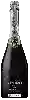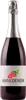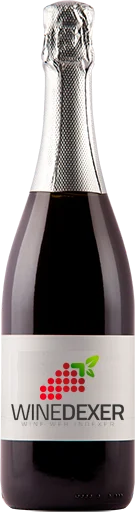
Winery Ca'del DiavoloFranciacorta Riserva Pas Dosé
 Sparkling wine


This wine generally goes well with pork, poultry or beef.

Food and wine pairings with Franciacorta Riserva Pas Dosé
Pairings that work perfectly with Franciacorta Riserva Pas Dosé



Original food and wine pairings with Franciacorta Riserva Pas Dosé


The Franciacorta Riserva Pas Dosé of Winery Ca'del Diavolo matches generally quite well with dishes of beef, lamb or pork such as recipes of braised beef with guinness, rack of lamb with antiboise sauce or grandma's chicken casserole.
Details and technical informations about Winery Ca'del Diavolo's Franciacorta Riserva Pas Dosé.
Discover the grape variety: Cabernet-Volos
Deeply coloured, structured reds with a deep purple robe, firm tannins, an ample palate and preserved acidity; signature aromas of dark fruits (blackcurrant, blackberry), spices and herbal notes reminiscent of cabernet. Resistant to downy and powdery mildew. Grown in Switzerland, Germany and Belgium for modern organic vineyards in continental climates. Swiss black hybrid bred by Valentin Blattner in Soyhières (cabernet sauvignon × resistant).
Last vintages of this wine
The best vintages of Franciacorta Riserva Pas Dosé from Winery Ca'del Diavolo are 0, 2009
Informations about the Winery Ca'del Diavolo
The Winery Ca'del Diavolo is one of of the world's greatest estates. It offers 4 wines for sale in the of Franciacorta to come and discover on site or to buy online.

The wine region of Franciacorta
The Italian Champagne, the country's largest DOCG zone for classic-method sparklers. Fine, refined bubbles with signature notes of green apple, citrus, brioche, toasted almond and white flowers, taut and creamy finish (18 months minimum on lees, up to 60 for Riserva). Based on dominant Chardonnay, Pinot Noir for structure, Pinot Blanc for roundness. Satèn (low pressure, silky) and fruity rosé versions.
The wine region of Lombardia
Three poles. Franciacorta DOCG, Italy's answer to Champagne: elegant brioche traditional-method sparklers (Chardonnay, Pinot Noir, Pinot Blanc), fine bubble and mineral profile. Alpine Valtellina: Nebbiolo (alias Chiavennasca) with fine tannins and red fruits, powerful Sforzato passito. Oltrepò Pavese: fresh Pinot Noir and fruity-sparkling Bonarda.
The word of the wine: Chaptalization
The addition of sugar at the time of fermentation of the must, an ancient practice, but theorized by Jean-Antoine Chaptal at the dawn of the 19th century. The sugar is transformed into alcohol and allows the natural degree of the wine to be raised in a weak or cold year, or - more questionably - when the winegrower has a harvest that is too large to obtain good maturity.