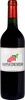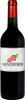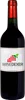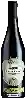
Winery Ca' Dei NoniValpolicella Ripasso Doc Classico Superiore
 Red wine



In the mouth this red wine is a powerful with a lot of tannins present in the mouth.
This wine generally goes well with beef, veal or game (deer, venison).
The Valpolicella Ripasso Doc Classico Superiore of the Winery Ca' Dei Noni is in the top 30 of wines of Valpolicella Ripasso.
Taste structure of the Valpolicella Ripasso Doc Classico Superiore from the Winery Ca' Dei Noni
Light | Bold | |
Smooth | Tannic | |
Dry | Sweet | |
Soft | Acidic |
In the mouth the Valpolicella Ripasso Doc Classico Superiore of Winery Ca' Dei Noni in the region of Veneto is a powerful with a lot of tannins present in the mouth.
Wine flavors and olphactive analysis


On the nose the Valpolicella Ripasso Doc Classico Superiore of Winery Ca' Dei Noni in the region of Veneto often reveals types of flavors of earth, oak or red fruit.
Food and wine pairings with Valpolicella Ripasso Doc Classico Superiore
Pairings that work perfectly with Valpolicella Ripasso Doc Classico Superiore



Original food and wine pairings with Valpolicella Ripasso Doc Classico Superiore
The Valpolicella Ripasso Doc Classico Superiore of Winery Ca' Dei Noni matches generally quite well with dishes of beef, veal or game (deer, venison) such as recipes of harira de mamie (moroccan soup), cutlets with portuguese sauce or garbure landaise.
Details and technical informations about Winery Ca' Dei Noni's Valpolicella Ripasso Doc Classico Superiore.
Discover the grape variety: Altesse
The Altesse white grape variety is French in origin, but its ancestors were brought from Cyprus. It then developed in the vineyards of the southeast of the country. The Montagnieu fusette or arbane, as it is also called, buds early in the year. A cottony veil covers the first buds. The involuted blade and the U-shaped petiolar sinus distinguish the adult, three-lobed leaves. During, sometimes for late vengeance, the clusters of medium or small size are winged, compact and cylindrical.the fruits reveal a melting pulp under a film of variable color. The pink-tan colour replaces the early reddish yellow when the berries ripen. If they persist, the berries take on a lilac hue. The vinification promises sparkling, aromatic and elegant sweet whites, or dry whites. Altesse is a grape variety to be carefully maintained against acariosis and erinosis.
Last vintages of this wine
The best vintages of Valpolicella Ripasso Doc Classico Superiore from Winery Ca' Dei Noni are 2016, 0, 2015
Informations about the Winery Ca' Dei Noni
The Winery Ca' Dei Noni is one of of the world's greatest estates. It offers 5 wines for sale in the of Valpolicella Ripasso to come and discover on site or to buy online.

The wine region of Valpolicella Ripasso
The wine region of Valpolicella Ripasso is located in the region of Valpolicella of Vénétie of Italy. Wineries and vineyards like the Domaine Corte Lavel or the Domaine Le Guaite di Noemi produce mainly wines red. The most planted grape varieties in the region of Valpolicella Ripasso are Rondinella, Corvina and Molinara, they are then used in wines in blends or as a single variety. On the nose of Valpolicella Ripasso often reveals types of flavors of cherry, apples or lemon and sometimes also flavors of truffle, cola or savory.
The wine region of Veneto
Veneto is an important and growing wine region in northeastern Italy. Veneto is administratively Part of the Triveneto area, aLong with its smaller neighbors, Trentino-Alto Adige and Friuli-Venezia Giulia. In terms of geography, culture and wine styles, it represents a transition from the Alpine and Germanic-Slavic end of Italy to the warmer, drier, more Roman lands to the South. Veneto is slightly smaller than the other major Italian wine regions - Piedmont, Tuscany, Lombardy, Puglia and Sicily - but it produces more wine than any of them.
The word of the wine: Terroir
Strictly speaking, the notion of terroir corresponds to the geological characteristics of a vineyard. However, when we talk about terroir, we take into account the soil, the climate (even the microclimate), the flora, the fauna, and the human factor that characterizes the practices that make up the art of the craft.