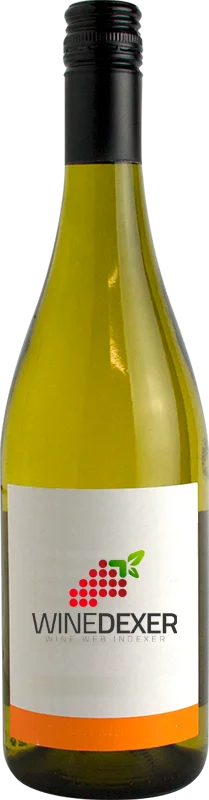
Winery BuronfosseCôtes du Jura Naturé
 White wine
This wine generally goes well with poultry, mild and soft cheese or mushrooms.
Food and wine pairings with Côtes du Jura Naturé
Pairings that work perfectly with Côtes du Jura Naturé


Original food and wine pairings with Côtes du Jura Naturé
The Côtes du Jura Naturé of Winery Buronfosse matches generally quite well with dishes of poultry, mushrooms or mild and soft cheese such as recipes of bresse chicken with yellow wine and morels, ramen soup or hot dog new york style.
Details and technical informations about Winery Buronfosse's Côtes du Jura Naturé.
Discover the grape variety: Seyval
Seyval blanc is a grape variety that originated in France (Rhône-Alpes valley). It is a variety resulting from a cross of the same species (interspecific hybridization). It produces a variety of grape specially used for wine making. It is rare to find this grape to eat on our tables. This variety of grape is characterized by medium-sized bunches and small to medium-sized grapes. Seyval blanc can be found cultivated in the following vineyards: Rhône Valley, Loire Valley, Savoie & Bugey, Beaujolais, Languedoc & Roussillon, Provence & Corsica.
Informations about the Winery Buronfosse
The Winery Buronfosse is one of of the world's great estates. It offers 25 wines for sale in the of Côtes du Jura to come and discover on site or to buy online.

The wine region of Côtes du Jura
Côtes du Jura is a regional appellation in the Jura wine region of eastern France. Introduced in 1937, it is arguably the largest appellation in the region in terms of geographical extent. In terms of quantity, it is the second largest after Arbois">Arbois. While the vast majority of Jura wines are produced in the Northern half of the region between Etoile and Arbois, the Côtes du Jura catchment area extends some distance to the South.
The wine region of Jura
The Jura is a small wine region in eastern France that is responsible for some very special and traditional wine styles. It is close to the Swiss Jura, but quite distinct from it. Wedged between Burgundy to the west and Switzerland to the east, the region is characterized by a landscape of Wooded hills and the winding topography of the Jura Mountains. The Jura vineyards cover just over 1,850 hectares, forming a narrow strip of land almost 80 km Long from North to South.
The word of the wine: Dosing liqueur (champagne)
Also known as liqueur d'expédition, a solution made up of wine and sugar added to champagne after disgorgement and which determines the type of wine: extra-brut, brut, extra-dry, dry, demi-sec.