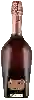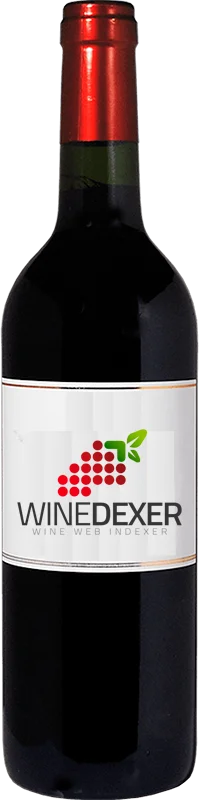
Winery Bruscone dei BarbiAntico Bruscone Corti della Duchessa
 Red wine


This wine generally goes well with pork, poultry or rich fish (salmon, tuna etc).
Food and wine pairings with Antico Bruscone Corti della Duchessa
Pairings that work perfectly with Antico Bruscone Corti della Duchessa



Original food and wine pairings with Antico Bruscone Corti della Duchessa


The Antico Bruscone Corti della Duchessa of Winery Bruscone dei Barbi matches generally quite well with dishes of pork, rich fish (salmon, tuna etc) or mature and hard cheese such as recipes of ham croquette with purée, tuna sandwich or county doormat.
Details and technical informations about Winery Bruscone dei Barbi's Antico Bruscone Corti della Duchessa.
Discover the grape variety: Chichaud
It is most certainly from the Ardèche, and is not found anywhere else. It has long been confused with the cinsaut called boudalès in this region, which explains why it has the synonym tsintsao. It is said to be related to the white humagne. Today, Chichaud is on the verge of extinction, although it is registered in the Official Catalogue of wine grape varieties, list A1.
Last vintages of this wine

The best vintages of Antico Bruscone Corti della Duchessa from Winery Bruscone dei Barbi are 2016, 2015, 0
Informations about the Winery Bruscone dei Barbi
The Winery Bruscone dei Barbi is one of of the world's greatest estates. It offers 5 wines for sale in the of Tuscany to come and discover on site or to buy online.

The wine region of Tuscany
Tuscany is one of the most famous and prolific wine regions in Europe. It is best known for its Dry red wines made from Sangiovese grapes, which dominate production. These include Chianti, Brunello di Montalcino and Vino Nobile di Montepulciano. The region's Vin Santo is also highly prized, as are its passito dessert wines, though these are produced in comparatively tiny quantities.
The word of the wine: Liquid
Sweet wine containing more than 50 grams of residual sugar per liter. Sweet wines are made from grapes often affected by botrytis cinerea and concentrated either by passerillage (drying of the grapes on the vine stock), or after the harvest (straw wines), or by the cold (ice wines).