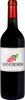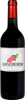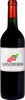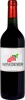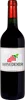
Cave de la BruniereSyrah
 Red wine
In the mouth this red wine is a powerful with a nice balance between acidity and tannins.
This wine generally goes well with poultry, beef or game (deer, venison).

Taste structure of the Syrah from the Cave de la Bruniere
Light | Bold | |
Smooth | Tannic | |
Dry | Sweet | |
Soft | Acidic |
In the mouth the Syrah of Cave de la Bruniere in the region of Valais is a powerful with a nice balance between acidity and tannins.
Food and wine pairings with Syrah
Pairings that work perfectly with Syrah



Original food and wine pairings with Syrah

The Syrah of Cave de la Bruniere matches generally quite well with dishes of beef, lamb or game (deer, venison) such as recipes of american fillet (belgian-style beef tartar), tunisian macaroni or rabbit with prunes.
Details and technical informations about Cave de la Bruniere's Syrah.
Discover the grape variety: Blauer Portugieser
Supple, fruity reds with a clear ruby colour, lightly marked tannins and charming palate, showing simple aromas of red fruits (cherry, raspberry, strawberry), gentle spices and floral notes. Airy profile for early drinking. Also as lively Schilcher rosés. Grown in Austria (Niederösterreich), Germany (Pfalz), Hungary and the Czech Republic, used for light apéritif reds. Central European black variety (the "Blue Portuguese"), early-ripening, productive and frost-resistant.
Informations about the Cave de la Bruniere
The Cave de la Bruniere is one of of the world's greatest estates. It offers 12 wines for sale in the of Valais to come and discover on site or to buy online.

The wine region of Valais
Switzerland's largest vineyard, capital of native grapes. Straight, precise alpine whites: light, floral Chasselas (Fendant), signature Petite Arvine with saline, grapefruit and rhubarb notes, rich, apricoty Amigne, mineral Humagne Blanche. Altitude reds: fine Pinot Noir, crisp Gamay, native Cornalin and Humagne Rouge, spicy and deep. Highly precise alpine age-worthy wines.
The word of the wine: Shipping (liquor)
In champagne and wines made according to the traditional method, wine is added before corking to fill the void in the bottle created by disgorging. This added wine is often sweetened by sugar incorporated in variable proportions according to the style of wine sought (see dosage). Syn.: liqueur de dosage.