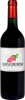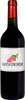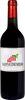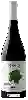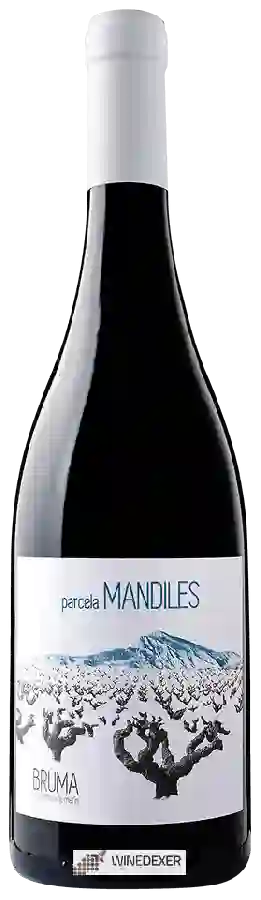
Winery Bruma del EstrechoParcela Mandiles
 Red wine



In the mouth this red wine is a powerful with a nice balance between acidity and tannins.
This wine generally goes well with beef, game (deer, venison) or lamb.

Taste structure of the Parcela Mandiles from the Winery Bruma del Estrecho
Light | Bold | |
Smooth | Tannic | |
Dry | Sweet | |
Soft | Acidic |
In the mouth the Parcela Mandiles of Winery Bruma del Estrecho in the region of Murcie is a powerful with a nice balance between acidity and tannins.
Wine flavors and olphactive analysis



On the nose the Parcela Mandiles of Winery Bruma del Estrecho in the region of Murcie often reveals types of flavors of non oak, earth or oak and sometimes also flavors of spices, red fruit or black fruit.
Food and wine pairings with Parcela Mandiles
Pairings that work perfectly with Parcela Mandiles



Original food and wine pairings with Parcela Mandiles

The Parcela Mandiles of Winery Bruma del Estrecho matches generally quite well with dishes of beef, pasta or lamb such as recipes of beef fashion, leek and salmon lasagna or canned cassoulet.
Details and technical informations about Winery Bruma del Estrecho's Parcela Mandiles.
Discover the grape variety: Cornalin du Valais
Structured, elegant reds with a deep purple hue, firm, fine tannins and an ample, fresh palate, showing aromas of red and black fruits (black cherry, blackcurrant), spices (pepper) and alpine mineral notes. Ageing profile. Star of the great Valais reds, thriving on the sun-drenched slopes of the Swiss Rhône for celebrated age-worthy wines. Native Swiss black grape of the Valais (formerly Rouge du Pays), identical to the Cornalin d'Aoste.
Last vintages of this wine
The best vintages of Parcela Mandiles from Winery Bruma del Estrecho are 2017, 2016, 0, 2015
Informations about the Winery Bruma del Estrecho
The Winery Bruma del Estrecho is one of of the world's greatest estates. It offers 11 wines for sale in the of Jumilla to come and discover on site or to buy online.

The wine region of Jumilla
Arid south-east Spain, kingdom of Monastrell (Mourvèdre, >85% of vineyards). Powerful, sunny reds with signature notes of candied blackberry, black plum, garrigue, pepper, leather and liquorice, firm tannins and a warm palate — a world reference for the grape. Many ungrafted old vines (phylloxera spared the limestone soils). Also supple Tempranillo, peppery Syrah, round Garnacha.
The wine region of Murcie
Wine region of southeastern Spain on sunny high plateaus, 3 DOs fanning out: Jumilla, Yecla, Bullas. Monastrell (Mourvedre) reigns in red (~80% of the vineyard): dense and sunny with signature notes of black mulberry, candied black cherry, garrigue, leather, liquorice and a sweet spice touch, firm tannins and a warm palate — pomegranate robe, sustained alcohol, often own-rooted. Round Grenache, supple Tempranillo, peppery Syrah. Southern wines with outstanding value.
The word of the wine: Tanin
A natural compound contained in the skin of the grape, the seed or the woody part of the bunch, the stalk. The maceration of red wines allows the extraction of tannins, which give the texture, the solidity and also the mellowness when the tannins are "ripe". The winemaker seeks above all to extract the tannins from the skin, the ripest and most noble. The tannins of the seed or stalk, which are "greener", especially in average years, give the wine hardness and astringency. The wines of Bordeaux (based on Cabernet and Merlot) are full of tannins, those of Burgundy much less so, with Pinot Noir containing little.