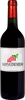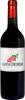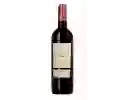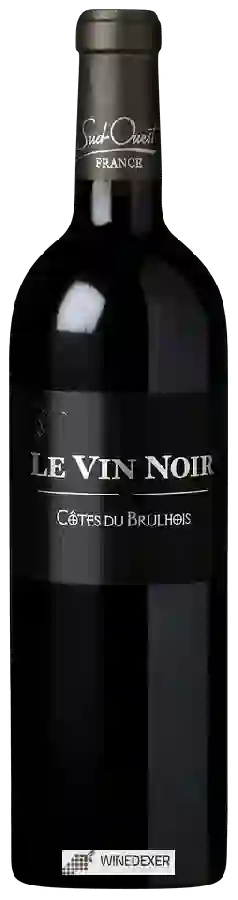
Vignerons du BrulhoisLe Vin Noir
 Red wine


This wine is a blend of 3 varietals which are the Cabernet franc, the Tannat and the Merlot.
This wine generally goes well with pork, poultry or beef.

Wine flavors and olphactive analysis




On the nose the Le Vin Noir of Vignerons du Brulhois in the region of South West often reveals types of flavors of non oak, earth or oak and sometimes also flavors of spices, black fruit.
Food and wine pairings with Le Vin Noir
Pairings that work perfectly with Le Vin Noir



Original food and wine pairings with Le Vin Noir


The Le Vin Noir of Vignerons du Brulhois matches generally quite well with dishes of beef, pork or game (deer, venison) such as recipes of beef tongue in hot sauce, roast pork in the oven or whole duck casserole with white wine.
Details and technical informations about Vignerons du Brulhois's Le Vin Noir.
Discover the grape variety: Cabernet franc
Supple, fragrant reds with fine tannins and vibrant freshness, showing raspberry, violet, green pepper, pencil lead and gentle spice aromas. Star of the Loire as a single variety (Chinon, Bourgueil, Saumur-Champigny) and of the right bank of Bordeaux in blends (Cheval Blanc at 60%). Also in semi-dry Anjou rosés. A historic Bordeaux variety, parent of Cabernet-Sauvignon, Merlot and Carmenère.
Last vintages of this wine

The best vintages of Le Vin Noir from Vignerons du Brulhois are 2016, 2010, 2014, 2012 and 2007.
Informations about the Vignerons du Brulhois
The Vignerons du Brulhois is one of of the world's greatest estates. It offers 33 wines for sale in the of South West to come and discover on site or to buy online.

The wine region of South West
French mosaic of strong identities south of Bordeaux. Cahors and its Malbec ("black wine"): deep reds with notes of blackberry, plum, violet, tobacco and cocoa, firm tannins. Madiran and its dense, age-worthy Tannat. Jurançon whites: golden sweet (apricot, honey, pineapple) and lively dry from Petit Manseng.
The word of the wine: Solera
A method of maturing practiced in Andalusia for certain sherries, which aims to continuously blend older and younger wines. It consists of stacking several layers of barrels; those located at ground level (solera) contain the oldest wines, the youngest being stored in the barrels on the upper level. The wine to be bottled is taken from the barrels on the lower level, which is replaced by younger wine from the upper level, and so on.