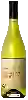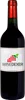
Brooklyn WineryDry Rosé
 Pink wine



This wine generally goes well with beef and mature and hard cheese.



Food and wine pairings with Dry Rosé
Pairings that work perfectly with Dry Rosé


Original food and wine pairings with Dry Rosé
The Dry Rosé of Brooklyn Winery matches generally quite well with dishes of beef or mature and hard cheese such as recipes of beef stew or walnut and roquefort tart.
Details and technical informations about Brooklyn Winery's Dry Rosé.
Discover the grape variety: Raisin de Corinthe
Light and fruity reds to drink young, with a clear ruby hue, smooth tannins and an airy palate, featuring signature aromas of red fruits (redcurrant, strawberry) and sweet notes. Mainly destined for Corinth raisins (currants), a speciality of the Peloponnese. Emblematic of Aegean viticulture, grown in Greece, Australia and California for raisins and a few simple wines. Greek black seedless (apyrene) variety with small, intensely coloured berries.
Last vintages of this wine
The best vintages of Dry Rosé from Brooklyn Winery are 0
Informations about the Brooklyn Winery
The Brooklyn Winery is one of of the world's greatest estates. It offers 29 wines for sale in the of Finger Lakes to come and discover on site or to buy online.

The wine region of Finger Lakes
Quality hub of the American northeast, signature Riesling: dry, lively, mineral whites with notes of green apple, lemon, white peach and wet stone, sharp acidity comparable to the best Germans. Also off-dry and sweet botrytised versions. Precise Chardonnay, fine, fresh Pinot Noir (red fruits), peppery Cabernet Franc. Continental climate tempered by 11 glacial lakes (Cayuga, Seneca).
The wine region of New York
America's 3rd wine state by volume, striking diversity. Finger Lakes the signature: cool-climate Riesling, dry to off-dry, mineral and lively with notes of lime, apple, evolving petrol and white flowers — a US benchmark. Warmer Long Island for peppery Cabernet Franc and supple Merlot. Hudson Valley (Seyval, Vidal).
The word of the wine: Tanin
A natural compound contained in the skin of the grape, the seed or the woody part of the bunch, the stalk. The maceration of red wines allows the extraction of tannins, which give the texture, the solidity and also the mellowness when the tannins are "ripe". The winemaker seeks above all to extract the tannins from the skin, the ripest and most noble. The tannins of the seed or stalk, which are "greener", especially in average years, give the wine hardness and astringency. The wines of Bordeaux (based on Cabernet and Merlot) are full of tannins, those of Burgundy much less so, with Pinot Noir containing little.