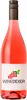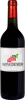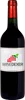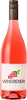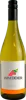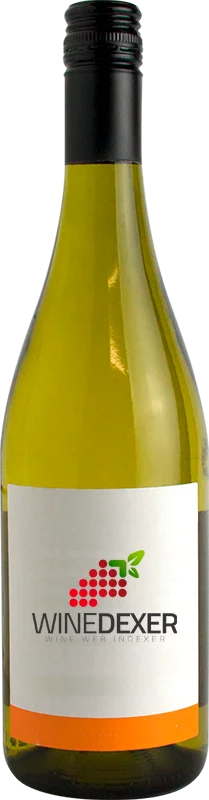
Winery BranceillesVin Paillé Blanc
 Sweet wine



This wine generally goes well with pork, vegetarian or poultry.
The Vin Paillé Blanc of the Winery Branceilles is in the top 5 of wines of Vins de la Correze.

Food and wine pairings with Vin Paillé Blanc
Pairings that work perfectly with Vin Paillé Blanc



Original food and wine pairings with Vin Paillé Blanc


The Vin Paillé Blanc of Winery Branceilles matches generally quite well with dishes of pork, rich fish (salmon, tuna etc) or shellfish such as recipes of chicken pie, cream and tuna quiche or mussels with marinara.
Details and technical informations about Winery Branceilles's Vin Paillé Blanc.
Discover the grape variety: Chardonnay
Whites with many faces: mineral and taut at Chablis (lemon, green apple, flint), opulent and buttery at Meursault and Puligny-Montrachet (hazelnut, brioche, yellow fruits), tense and chalky in Champagne (Blanc de Blancs). Also vinified sparkling and widely exported (Sonoma, Margaret River, Casablanca). A Burgundian variety, a cross of Pinot Noir × Gouais Blanc, half-sibling of Aligoté.
Last vintages of this wine
The best vintages of Vin Paillé Blanc from Winery Branceilles are 2014, 2009
Informations about the Winery Branceilles
The Winery Branceilles is one of of the world's greatest estates. It offers 13 wines for sale in the of Vins de la Correze to come and discover on site or to buy online.

The wine region of Vins de la Correze
AOC of the Southwest (2017) linked to IGP Pays de Brive, Corrèze wine renaissance around Branceilles (Dordogne valley, Limousin-Quercy-Périgord confluence). Cabernet Franc is the signature red (~50%) with raspberry, blackcurrant, pepper and herbaceous notes, fine tannins. Supple Merlot (~25%) and light fruity Gamay (~25%) complement. Lively rosés.
The word of the wine: Texture
In tasting, the equivalent of touch. It is the set of tactile sensations perceived by the mucous membranes of the mouth: silky, velvety, sticky, fatty, astringent, pasty, etc.