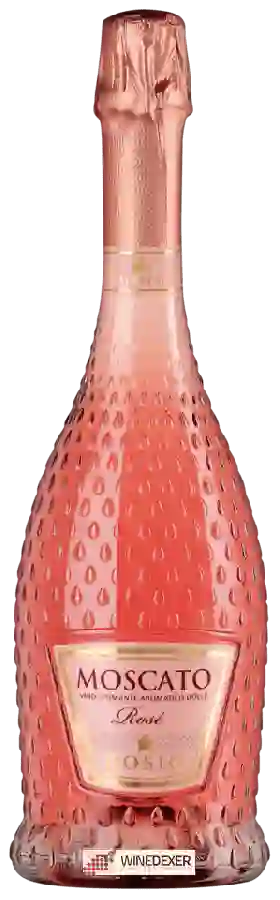
Winery BosioMoscato Rosè
 Pink wine


This wine generally goes well with sweet desserts

Food and wine pairings with Moscato Rosè
Pairings that work perfectly with Moscato Rosè

Original food and wine pairings with Moscato Rosè
The Moscato Rosè of Winery Bosio matches generally quite well with dishes of sweet desserts such as recipes of cheese cake (white cheese cake) inratable.
Details and technical informations about Winery Bosio's Moscato Rosè.
Discover the grape variety: Doña Blanca
Fresh, aromatic dry whites with a pale golden colour, supple palate and lively acidity, showing signature aromas of citrus (lemon), white-fleshed fruits (apple, pear), white flowers and Atlantic mineral notes. Thirst-quenching Iberian north-west profile. Contributes to the white DO Valdeorras and Monterrei wines in Galicia, and to northern Portugal under the names síria or roupeiro. Native white variety of the Spanish region of Galicia.
Last vintages of this wine
The best vintages of Moscato Rosè from Winery Bosio are 0
Informations about the Winery Bosio
The Winery Bosio is one of of the world's great estates. It offers 72 wines for sale in the of Piedmont to come and discover on site or to buy online.

The wine region of Piedmont
Kingdom of Nebbiolo: Barolo and Barbaresco DOCG, long-ageing reds with firm tannins and lively acidity, complex aromas of withered rose, sour cherry, tar, truffle and undergrowth. More accessible, tangy Barbera on red fruit, supple, crisp Dolcetto. Sweet, floral sparkling Moscato d'Asti, mineral, lemony Gavi (Cortese) white, round, almondy Arneis from Roero. 50,000 ha across the Langhe, Roero and Monferrato, UNESCO.
The word of the wine: Persistence
Persistence in the mouth of a wine measured in caudalies.