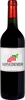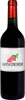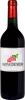
Château Borie NeuveMarie
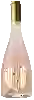
 Pink wine



In the mouth this pink wine is a with a nice freshness.
This wine generally goes well with vegetarian, appetizers and snacks or lean fish.

Taste structure of the Marie from the Château Borie Neuve
Light | Bold | |
Dry | Sweet | |
Soft | Acidic |
In the mouth the Marie of Château Borie Neuve in the region of Languedoc-Roussillon is a with a nice freshness.
Food and wine pairings with Marie
Pairings that work perfectly with Marie



Original food and wine pairings with Marie


The Marie of Château Borie Neuve matches generally quite well with dishes of pasta, vegetarian or appetizers and snacks such as recipes of pasta gratin milanese style, zucchini quiche or tuna spread.
Details and technical informations about Château Borie Neuve's Marie.
Discover the grape variety: Grenache Blanc
Rich, structured whites with a golden robe, an ample palate and moderate acidity, with aromas of ripe pear, white peach, white flowers, fennel, anise notes and fresh almond. Fine length. Cornerstone of the great whites of Châteauneuf-du-Pape AOC, Côtes-du-Rhône whites, Languedoc, Roussillon (Côtes du Roussillon AOC) and Catalonia (Terra Alta DO, Priorat DOQ). White-skinned mutation of Grenache Noir, autochthonous Mediterranean variety from Aragon.
Informations about the Château Borie Neuve
The Château Borie Neuve is one of of the world's greatest estates. It offers 8 wines for sale in the of Languedoc-Roussillon to come and discover on site or to buy online.

The wine region of Languedoc-Roussillon
Largest single French vineyard, dominated by sunny, generous reds. Spicy Syrah, candied Grenache (ripe fruit, garrigue), structured Carignan, deep Mourvèdre, supple Cinsault. Stars: structured Corbières, Minervois, Faugères, Saint-Chinian; round Côtes-du-Roussillon. Legendary vins doux naturels: Banyuls and Maury (fortified Grenache) with notes of cocoa, fig, prune.
The word of the wine: Metis (grape variety)
A grape variety resulting from the crossing of two varieties of the same species. For example, pinotage (a South African grape variety) is the result of crossing pinot noir and cinsault.