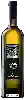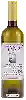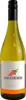
Winery Borgo di ColloredoGiulia Chardonnay
 White wine
In the mouth this white wine is a with a nice freshness.
This wine generally goes well with vegetarian, appetizers and snacks or lean fish.
Taste structure of the Giulia Chardonnay from the Winery Borgo di Colloredo
Light | Bold | |
Dry | Sweet | |
Soft | Acidic |
In the mouth the Giulia Chardonnay of Winery Borgo di Colloredo in the region of Molise is a with a nice freshness.
Food and wine pairings with Giulia Chardonnay
Pairings that work perfectly with Giulia Chardonnay



Original food and wine pairings with Giulia Chardonnay


The Giulia Chardonnay of Winery Borgo di Colloredo matches generally quite well with dishes of pasta, vegetarian or appetizers and snacks such as recipes of spaghetti with shrimp and cream, tuna, pepper and tomato quiche or happy new year bites.
Details and technical informations about Winery Borgo di Colloredo's Giulia Chardonnay.
Discover the grape variety: Chardonnay
The white Chardonnay is a grape variety that originated in France (Burgundy). It produces a variety of grape specially used for wine making. It is rare to find this grape to eat on our tables. This variety of grape is characterized by small bunches, and small grapes. White Chardonnay can be found in many vineyards: South West, Burgundy, Jura, Languedoc & Roussillon, Cognac, Bordeaux, Beaujolais, Savoie & Bugey, Loire Valley, Champagne, Rhone Valley, Armagnac, Lorraine, Alsace, Provence & Corsica.
Informations about the Winery Borgo di Colloredo
The Winery Borgo di Colloredo is one of of the world's great estates. It offers 15 wines for sale in the of Molise to come and discover on site or to buy online.

The wine region of Molise
Molise is a mountainous region in South-central Italy, delegated as DOC in 1998. It is a relatively small region, especially when compared to its neighbors Abruzzo and Lazio to the North and Campania and Puglia to the south. Molise is considered an obscure region, since winemaking dates back to 500 BC, but it only gained independence as a wine region in the latter half of the 20th century. Overshadowed by its neighbor, Abruzzo, of which it was politically a Part until 1963 (Abruzzi e Molise), Molise finally got three of its own DOCs, Biferno and Pentro di Isernia, in the 1980s, then Tintilia del Molise in 2011.
The word of the wine: Sulphating
Treatment, formerly practiced with copper sulfate, applied to the vine to prevent cryptogamic diseases.