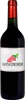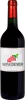
Bodegas XalóVall de Gorgos Tinto
 Red wine


In the mouth this red wine is a powerful.
This wine generally goes well with poultry, beef or veal.

Taste structure of the Vall de Gorgos Tinto from the Bodegas Xaló
Light | Bold | |
Smooth | Tannic | |
Dry | Sweet | |
Soft | Acidic |
In the mouth the Vall de Gorgos Tinto of Bodegas Xaló in the region of Valence is a powerful.
Food and wine pairings with Vall de Gorgos Tinto
Pairings that work perfectly with Vall de Gorgos Tinto



Original food and wine pairings with Vall de Gorgos Tinto

The Vall de Gorgos Tinto of Bodegas Xaló matches generally quite well with dishes of beef, pasta or veal such as recipes of burger roll, shrimp marinade or sauté of veal with the moulinex cookeo.
Details and technical informations about Bodegas Xaló's Vall de Gorgos Tinto.
Discover the grape variety: Merlot khorus
Modern, coloured and structured reds with a sustained purple robe, rounded tannins, an ample palate and preserved acidity; aromas of dark fruits (blackberry, plum) close to Bordeaux Merlot. Productive and resistant. Cultivated in small quantities for sustainably managed vineyards, part of the new generation of mildew- and powdery-mildew-resistant grapes. Recent French black hybrid variety.
Last vintages of this wine
The best vintages of Vall de Gorgos Tinto from Bodegas Xaló are 0
Informations about the Bodegas Xaló
The Bodegas Xaló is one of of the world's great estates. It offers 31 wines for sale in the of Valence to come and discover on site or to buy online.

The wine region of Valence
Sunny Mediterranean Levant, sun-drenched accessible wines. Monastrell (Mourvèdre) star red in Alicante: fleshy and deep with black fruits, garrigue, leather and spice, firm tannins. Round, fruity Bobal from Utiel-Requena, supple Garnacha, juicy Tempranillo. Fresh whites: light Merseguera, aromatic Moscatel (fresh grape, flowers).
The word of the wine: Harmonious
Balance of the different organoleptic elements of a wine. This harmony is linked to the typicity of each wine. The sweetness of a sweet wine is an element of its balance, whereas a Sancerre or a Chablis will be asked to be lively and dry.