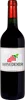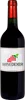
Bodegas TrobatNoble Negre
 Red wine


In the mouth this red wine is a powerful.
This wine generally goes well with poultry, beef or veal.

Taste structure of the Noble Negre from the Bodegas Trobat
Light | Bold | |
Smooth | Tannic | |
Dry | Sweet | |
Soft | Acidic |
In the mouth the Noble Negre of Bodegas Trobat in the region of Catalogne is a powerful.
Food and wine pairings with Noble Negre
Pairings that work perfectly with Noble Negre



Original food and wine pairings with Noble Negre

The Noble Negre of Bodegas Trobat matches generally quite well with dishes of beef, pasta or veal such as recipes of beef lark, elodie's pasta risotto or pork tenderloin with onions.
Details and technical informations about Bodegas Trobat's Noble Negre.
Discover the grape variety: Cabernet-Sauvignon
Structured, tannic reds, deeply coloured, with aromas of blackcurrant, blackberry, cedar, tobacco and graphite, underpinned by firm acidity and fine ageing potential. Cornerstone of the great Médoc estates (Pauillac, Saint-Estèphe, Saint-Julien) and signature of Napa Valley, Coonawarra and Maipo. The world's most planted red variety, a natural cross of Cabernet Franc x Sauvignon Blanc born in Bordeaux.
Last vintages of this wine
The best vintages of Noble Negre from Bodegas Trobat are 2013, 2011, 0, 2014
Informations about the Bodegas Trobat
The Bodegas Trobat is one of of the world's greatest estates. It offers 39 wines for sale in the of Catalogne to come and discover on site or to buy online.

The wine region of Catalogne
Cradle of Cava (~95% of Spanish output, traditional method): Macabeo, Xarel-lo, Parellada trilogy, fine fruity bubble. Quality peak in Priorat DOCa: dense, mineral reds on llicorella (schist), old-vine Garnacha and Cariñena with black fruit, garrigue notes, firm tannins. Also Penedès, fleshy Montsant, sunny Empordà, Costers del Segre. Mediterranean.
The word of the wine: Hairy Grenache
See lledoner pelut.