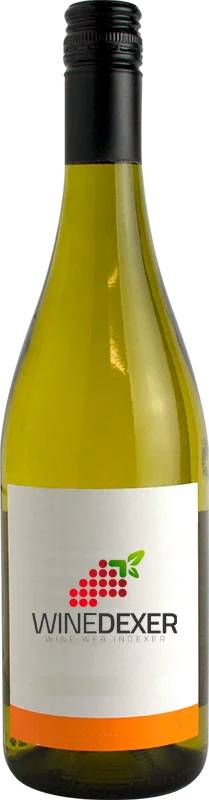
Bodegas Santa AnaMoscato
 White wine


This wine generally goes well with spicy food and sweet desserts.

Food and wine pairings with Moscato
Pairings that work perfectly with Moscato


Original food and wine pairings with Moscato
The Moscato of Bodegas Santa Ana matches generally quite well with dishes of spicy food or sweet desserts such as recipes of chicken colombo (west indies) or very simple muffins.
Details and technical informations about Bodegas Santa Ana's Moscato.
Discover the grape variety: Nerello Cappuccio
Supple, fruity reds with a light ruby color, smooth tannins and a round palate, offering signature aromas of red fruits (cherry, raspberry), plum, soft spices and volcanic notes. A charming profile adding roundness and fruit to blends. Essential component of Etna Rosso DOC blended with nerello mascalese, the signature of great volcanic Sicilian reds on Etna's slopes. Italian indigenous variety from Sicily.
Last vintages of this wine

The best vintages of Moscato from Bodegas Santa Ana are 2015, 2018, 2014, 0 and 2017.
Informations about the Bodegas Santa Ana
The Bodegas Santa Ana is one of of the world's great estates. It offers 171 wines for sale in the of La Rioja to come and discover on site or to buy online.

The wine region of La Rioja
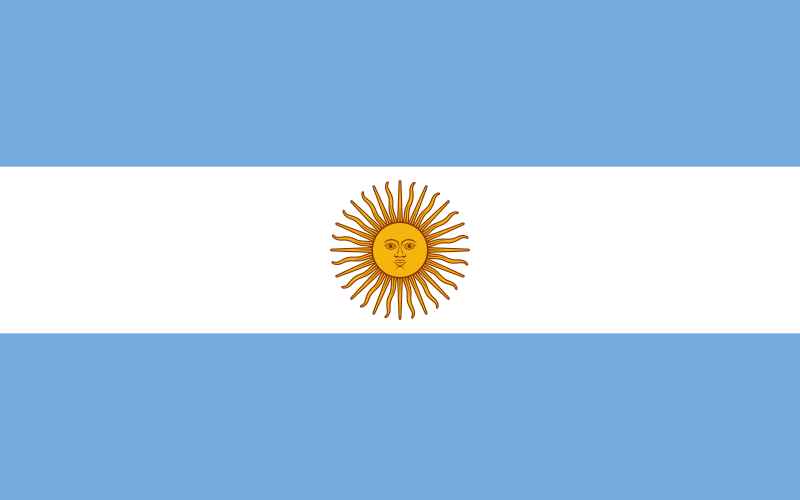
Wine province of northwest Argentina, historical cradle of national viticulture at over 1,100 m altitude. Torrontés Riojano signature as king white: aromatic and expressive with signature notes of rose, jasmine, white peach, citrus and a musky touch, dry yet round palate — the most expressive of Argentina's three Torrontés, cousin of Muscat. Also dense Malbec, spicy Syrah, supple Bonarda, firm Cabernet. Dry sunny continental climate, drip irrigation.
The word of the wine: Trading
Term used to designate the wine trade and related professions. Sometimes used in contrast to viticulture.