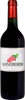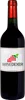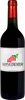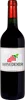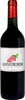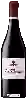
Winery ArzuagaPago Florentino
 Red wine


In the mouth this red wine is a powerful with a lot of tannins present in the mouth.
This wine generally goes well with poultry, beef or veal.

Taste structure of the Pago Florentino from the Winery Arzuaga
Light | Bold | |
Smooth | Tannic | |
Dry | Sweet | |
Soft | Acidic |
In the mouth the Pago Florentino of Winery Arzuaga in the region of Castille is a powerful with a lot of tannins present in the mouth.
Wine flavors and olphactive analysis






On the nose the Pago Florentino of Winery Arzuaga in the region of Castille often reveals types of flavors of cherry, oaky or smoke and sometimes also flavors of earthy, blackberry or blueberry.
Food and wine pairings with Pago Florentino
Pairings that work perfectly with Pago Florentino



Original food and wine pairings with Pago Florentino

The Pago Florentino of Winery Arzuaga matches generally quite well with dishes of beef, lamb or veal such as recipes of fondue vigneronne au vin rouge, couscous of meat and fish or sauté of veal with carrots.
Details and technical informations about Winery Arzuaga's Pago Florentino.
Discover the grape variety: Callet
Light, elegant reds with a clear ruby robe, fine tannins and fresh acidity. Delicate aromas of red fruits (cherry, raspberry), Mediterranean herbs (rosemary, thyme), soft spices and floral notes. Airy, refreshing palate, moderate alcohol. Traditional component of Pla i Llevant DO and Binissalem DO on Majorca, often blended with Manto Negro and Fogoneu. Native Spanish variety from the Balearic Islands, emblematic of the archipelago.
Last vintages of this wine
The best vintages of Pago Florentino from Winery Arzuaga are 2017, 2015, 2013, 2012 and 2011.
Informations about the Winery Arzuaga
The Winery Arzuaga is one of of the world's greatest estates. It offers 20 wines for sale in the of Castille to come and discover on site or to buy online.

The wine region of Castille
Cradle of great Castilian reds, high-altitude plateaus (450-1000 m) along the Duero. Tempranillo king (aka Tinta de Toro, Tinto Fino): powerful, concentrated, structured reds with notes of black cherry, plum, leather, tobacco and spice, firm tannins from altitude and cool nights. Stars: Ribera del Duero (Vega Sicilia, Pingus), fleshy Toro, Bierzo (floral, mineral Mencía). Lively, herbaceous Verdejo whites from Rueda.
The word of the wine: Thermoregulation
Control of the vinification temperatures (by circulating hot or cold water on the walls of the vats, for example). This is a major step forward, which in particular helps to preserve the freshness of the aromas threatened by excessive temperature rises during fermentation.