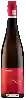
Winery BlankenhornSchliengen Spätburgunder
 Red wine



In the mouth this red wine is a with a nice freshness.
This wine generally goes well with poultry, beef or veal.

Taste structure of the Schliengen Spätburgunder from the Winery Blankenhorn
Light | Bold | |
Smooth | Tannic | |
Dry | Sweet | |
Soft | Acidic |
In the mouth the Schliengen Spätburgunder of Winery Blankenhorn in the region of Baden is a with a nice freshness.


Food and wine pairings with Schliengen Spätburgunder
Pairings that work perfectly with Schliengen Spätburgunder



Original food and wine pairings with Schliengen Spätburgunder

The Schliengen Spätburgunder of Winery Blankenhorn matches generally quite well with dishes of beef, veal or game (deer, venison) such as recipes of beef enchilladas au gratin, axoa from espelette ( 22nd meeting ) or roast duck breast stuffed with porcini mushrooms and chanterelles.
Details and technical informations about Winery Blankenhorn's Schliengen Spätburgunder.
Discover the grape variety: Chatus
Structured, colourful reds with a dark, intense ruby color, firm tannins and a dense palate, offering intense aromas of black fruits (blackberry, blackcurrant), plum, black cherry, spices, pepper and balsamic notes. Fine cellaring potential, rustic profile. Nearly extinct after phylloxera, undergoing an identity revival among Ardèche winemakers in IGP Cévennes and IGP Ardèche. French indigenous variety from the Cévennes Ardéchoises, a pre-phylloxera heritage witness.
Last vintages of this wine
The best vintages of Schliengen Spätburgunder from Winery Blankenhorn are 0
Informations about the Winery Blankenhorn
The Winery Blankenhorn is one of of the world's greatest estates. It offers 56 wines for sale in the of Baden to come and discover on site or to buy online.

The wine region of Baden
German capital of Pinot Noir (Spätburgunder): silky, fine reds with notes of red fruits, cherry, undergrowth and sweet spices, melted tannins. Round Grauburgunder (Pinot Gris), lively Weissburgunder, supple Müller-Thurgau, mineral Riesling. Germany's 3rd region (15,000 ha) in Baden-Württemberg facing Alsace, one of the country's warmest climates, volcanic soils at the Kaiserstuhl. Cradle of modern great German reds, elegant and fine.
The word of the wine: Liquid
Sweet wine containing more than 50 grams of residual sugar per liter. Sweet wines are made from grapes often affected by botrytis cinerea and concentrated either by passerillage (drying of the grapes on the vine stock), or after the harvest (straw wines), or by the cold (ice wines).