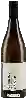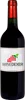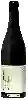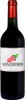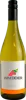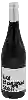
Domaine Blanc ChristopheSyrah
 Red wine



This wine generally goes well with beef, lamb or mature and hard cheese.

Food and wine pairings with Syrah
Pairings that work perfectly with Syrah



Original food and wine pairings with Syrah

The Syrah of Domaine Blanc Christophe matches generally quite well with dishes of beef, lamb or spicy food such as recipes of marinated shrimp skewers with garlic, chiche kebab in armenian or coconut chicken.
Details and technical informations about Domaine Blanc Christophe's Syrah.
Discover the grape variety: Bonarda
Supple, fruity reds with an intense ruby colour, soft tannins and a generous palate, showing signature aromas of red fruits (cherry, raspberry), plum, soft spices and floral notes. Often made as frizzante (lightly sparkling), a festive and approachable style. Star of Oltrepò Pavese and Colli Piacentini. A name shared by several distinct varieties: the indigenous Piedmontese Bonarda (not to be confused with Bonarda from Argentina, which is actually Charbono).
Last vintages of this wine
The best vintages of Syrah from Domaine Blanc Christophe are 2016
Informations about the Domaine Blanc Christophe
The Domaine Blanc Christophe is one of of the world's greatest estates. It offers 11 wines for sale in the of Vin de France to come and discover on site or to buy online.

The wine region of Vin de France
The freest category of French wine, the playground of winemakers working outside the AOC. All styles combined: fruity reds, lively or ambitious whites, everyday rosés, unusual blends, natural wines, atypical grapes (Petit Manseng in Languedoc, Riesling in Provence), experimental winemaking (skin-contact whites, no sulphur). Grape and vintage labelling allowed, no geographic constraint. From the pop, convivial cuvée to the artisan gem: freedom in a bottle.
The word of the wine: Free-run wine
The free-run wine is the wine that flows out of the vat by gravity at the time of running off. The marc soaked in wine is then pressed to extract a rich and tannic wine. Free-run wine and press wine are then aged separately and eventually blended by the winemaker in proportions defined according to the type of wine being made.