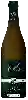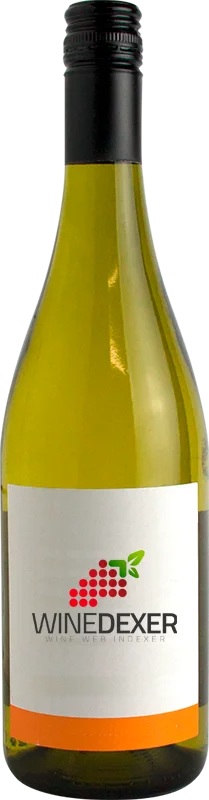
Winery BischoffingerWeisser Burgunder BB Alte Reben Trocken
 White wine
In the mouth this white wine is a with a nice freshness.
This wine generally goes well with rich fish (salmon, tuna etc), shellfish or mild and soft cheese.
Taste structure of the Weisser Burgunder BB Alte Reben Trocken from the Winery Bischoffinger
Light | Bold | |
Dry | Sweet | |
Soft | Acidic |
In the mouth the Weisser Burgunder BB Alte Reben Trocken of Winery Bischoffinger in the region of Baden is a with a nice freshness.
Food and wine pairings with Weisser Burgunder BB Alte Reben Trocken
Pairings that work perfectly with Weisser Burgunder BB Alte Reben Trocken



Original food and wine pairings with Weisser Burgunder BB Alte Reben Trocken

The Weisser Burgunder BB Alte Reben Trocken of Winery Bischoffinger matches generally quite well with dishes of rich fish (salmon, tuna etc), shellfish or mild and soft cheese such as recipes of fish stew, indian chicken (simplified korma) or patata burger with no added fat.
Details and technical informations about Winery Bischoffinger's Weisser Burgunder BB Alte Reben Trocken.
Discover the grape variety: Amandin
Interspecific cross between 7489 (direct white producer hybrid) and Hamburg Muscat obtained in 1979, registered in the Official Catalogue of table grape varieties list A1.
Informations about the Winery Bischoffinger
The Winery Bischoffinger is one of of the world's great estates. It offers 95 wines for sale in the of Baden to come and discover on site or to buy online.

The wine region of Baden
Baden is the southernmost of Germany's 13 official wine regions. It is also the warmest. Its relatively sunny, DryClimate permits the production of good-quality Spätburgunder (Pinot Noir) and ripe, relatively Full-bodied">Full-bodied examples of Grauburgunder (Pinot Gris) and Weissburgunder (Pinot Blanc). These are often made in oaked styles.
The word of the wine: Effervescent
Any wine loaded with CO2 (carbon dioxide), which is revealed in the form of bubbles, reinforcing the freshness effect in the mouth. This gas production is the result of what is called the second fermentation in the bottle. It occurs in champagnes and sparkling wines such as crémants.